
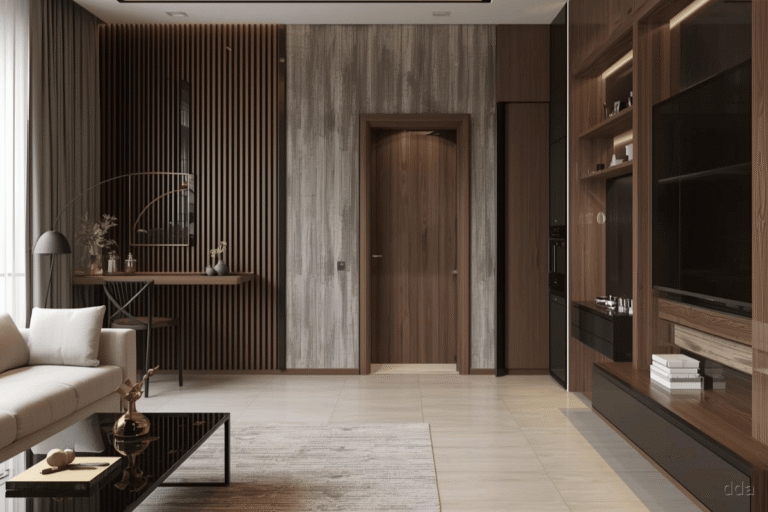
Interior design in Malaysia is facing a new reality in 2026 — rising material costs, labour shortages, imported finishes inflation, and extended renovation timelines. For homeowners planning a home renovation, office fit-out, or hospitality interior design project, the stakes are higher than ever. Poor space planning, weak project management, and short-term styling decisions can quickly inflate renovation budgets and reduce long-term property value.
In today’s Malaysian property market, interior architecture must go beyond aesthetics. Smart space planning, durable material selection, lighting design strategy, and sustainable interior specifications are no longer optional — they are essential for protecting your investment and ensuring your interior design ages well in a tropical climate.
1. Escalating Material Costs & Imported Finishes
Imported marble, engineered timber flooring, designer lighting fixtures, and premium hardware have significantly increased in cost. Luxury interior design projects now require more strategic material sourcing, especially when dealing with bespoke carpentry, built-in cabinetry, and architectural detailing.
Rather than over-specifying imported finishes, good interior design in Malaysia prioritises climate-appropriate materials, local craftsmanship, and durable surface finishes. Thoughtful material selection — such as sintered stone, quartz surfaces, performance laminates, and solid wood alternatives — ensures longevity while maintaining a refined aesthetic.
2. Labour Shortage & Renovation Delays
Malaysia’s renovation industry continues to experience contractor shortages and longer project timelines. Without strong project coordination, interior fit-out works can face delays affecting carpentry installation, lighting integration, and wet works sequencing.
Professional interior design consultancy plays a crucial role in construction detailing, technical drawings, and contractor management. Clear design documentation, 3D visualisation, and proper scheduling ensure smoother execution, better workmanship, and fewer costly design revisions during renovation.
3. Tropical Climate & Material Durability
Humidity, heat, and ventilation challenges affect interior finishes, furniture joinery, and built-in cabinetry. Many homeowners overlook how Malaysia’s tropical climate impacts wood movement, paint durability, wall finishes, and mould resistance.
High-performance materials, moisture-resistant boards, anti-mould paint systems, and proper ventilation planning are essential elements of interior architecture. Biophilic design, natural ventilation strategies, and climate-responsive space planning improve indoor air quality while maintaining luxury interior comfort.
4. Over-Trend Consumption & Fast Design Fatigue
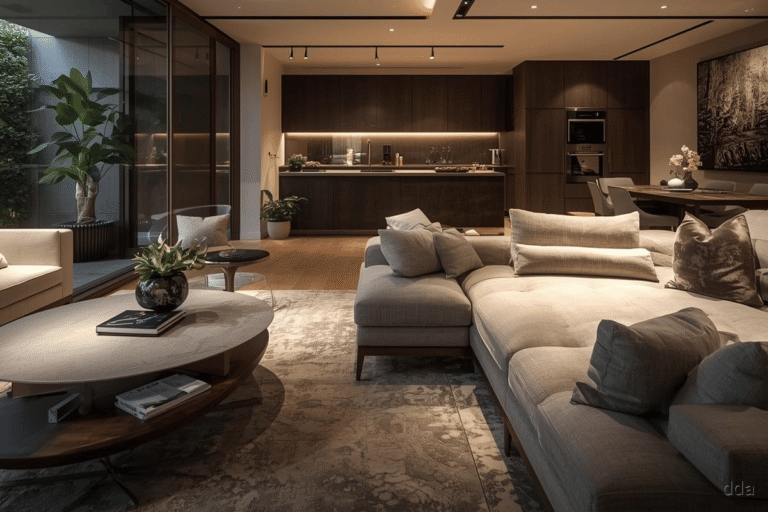
Social media trends often push homeowners toward feature walls, bold colour blocking, and highly stylised decorative elements that age quickly. While visually impactful, these interior design trends may not align with long-term lifestyle needs or property value appreciation.
Timeless interior design in Malaysia focuses on architectural proportion, neutral base palettes, layered lighting design, and flexible furniture layouts. By anchoring the renovation with strong interior architecture, trends can be incorporated through soft furnishings, styling accessories, and artwork instead of permanent structural changes.
5. Sustainability & Energy Efficiency Expectations
Energy costs and environmental awareness are influencing renovation decisions. Sustainable interior design now includes LED lighting systems, energy-efficient appliances, smart home integration, and responsible material sourcing.
Incorporating sustainable finishes, passive cooling strategies, window treatments, and efficient lighting design enhances comfort while reducing long-term operational costs. Luxury interior design today is not only about aesthetics — it is about performance and responsibility.
Interior design in Malaysia is entering a more strategic era. Rising renovation costs, climate considerations, and sustainability expectations require careful space planning, strong project management, and thoughtful material selection.
A successful interior design project in 2026 is not about spending more — it is about designing smarter, building responsibly, and creating timeless interiors that hold value.
If you are planning a home renovation, hospitality fit-out, or commercial interior design project in Malaysia, speak to our team at DDA. Our consultancy-led approach ensures your interior architecture, material selection, and space planning strategy are built to last — both aesthetically and financially.