
What’s Shaping Malaysian Interior Design in 2026
In 2026, interior design is evolving into something that feels more personal, warm, and functional — moving beyond rigid minimalism and plain neutral schemes toward spaces that tell a story, support daily life, and reflect individual taste. Designers worldwide are predicting a mix of bold materials, layered textures, warm earth tones, flexible layouts, and nature-inspired elements that will define interiors this year.
For Malaysian homeowners — whether in Kuala Lumpur condominiums or Penang luxury residences — these trend directions offer inspiration for renovation and design choices that not only look current but also feel timeless and comfortable. Below are five pivotal 2026 interior design trends you can adapt to your home environment.
1. Biophilic and Nature-Infused Interiors
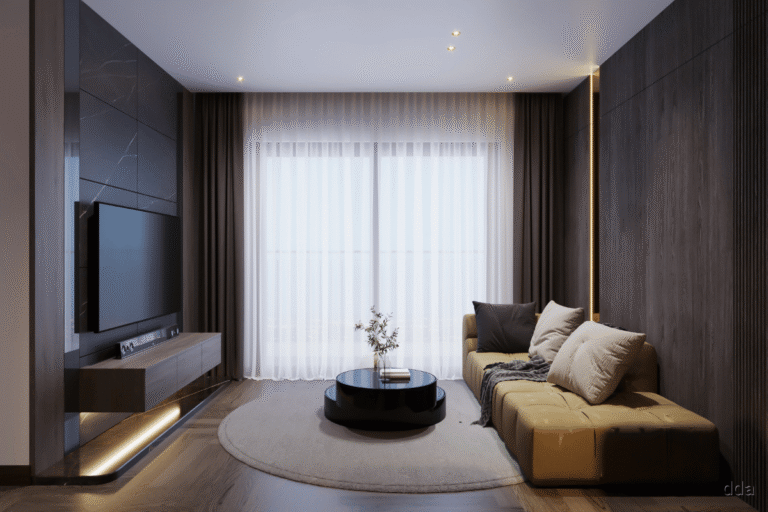
Biophilic design — bringing nature into your interior environment — continues to grow in importance in 2026. Interior design trends this year include wood finishes, plant integration, and organic textures that create serenity and wellbeing. Homes are designed to feel harmonious, with natural materials like stone, wood, and organic fibers creating tactile warmth.
For Malaysian homes, biophilic interior design complements tropical climates by enhancing indoor-outdoor flow. Large windows, indoor greenery, planter features, and timber furniture help make spaces feel brighter, calmer, and more welcoming. This not only elevates aesthetics, but also supports a healthy and restorative living experience — ideal for everyday life or rest after busy days.
Whether it’s through a vertical garden in the living room or wooden cabinetry in the kitchen, integrating nature-inspired design enhances both comfort and style in a way that feels purposeful and elegant.
2. Curved and Sculptural Furniture
Gone are the days of rigid boxes and straight lines — 2026 interior design trends are embracing curved, sculptural seating and architectural furniture pieces as key stylistic statements. Rounded sofas, pill-shaped tables, and fluid joinery lines are not just visually striking; they soften spatial flow and make interiors feel more human and relaxed.
In Malaysia, where open-plan living spaces are popular, these organically shaped furniture pieces help define zones without the need for rigid partitions — promoting a smoother spatial flow. A sculptural armchair or curved coffee table can transform a living area into a focal point while balancing modern style with comfort.
This trend also elevates interior design beyond mere function — furniture becomes art integrated into daily living, making homes feel curated and intentional.
3. Layered Textures and Tactile Materials
Texture is central to 2026 interior design. From warm woods and woven textiles to handcrafted ceramics and stone elements, layered materials are being used to bring depth and personality to spaces. Tactile surfaces create a sense of comfort that minimal flat finishes simply can’t replicate.
For Malaysian residential design, this trend means blending materials that are both luxurious and practical. Think rich terracotta accents, textured wall finishes, plush upholstery, and timber open shelving — all of which combine to evoke warmth and invite touch while maintaining sophisticated interiors.
Interior designers advise layering textures in living spaces, bedrooms, and even bathrooms to enhance sensory richness and create environments that feel lived-in yet refined.
4. Warm, Earthy Color Palettes
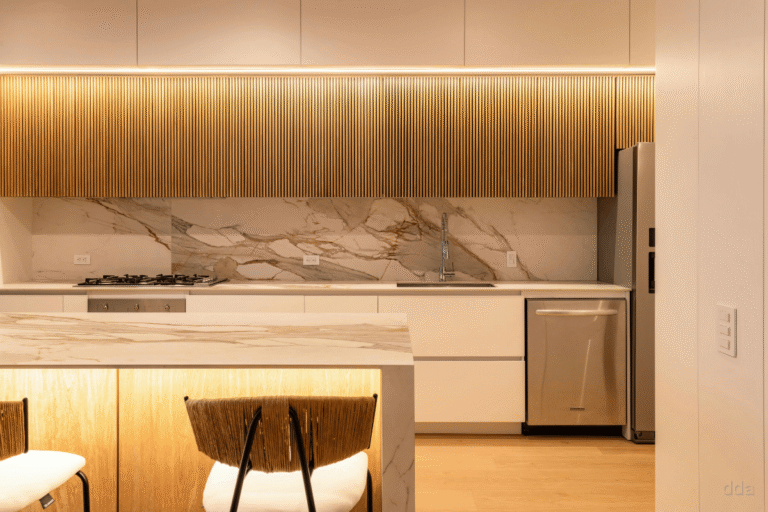
Color trends for 2026 reflect a departure from cool neutral minimalism toward warmer, earthier hues like clay, taupe, deep green, terracotta, and mossy tones. Designers predict these palettes will be used both as grounding base layers and as accent choices to bring personality and comfort into spaces.
In Malaysia, interior color schemes that favour warmth pair beautifully with natural light and tropical surroundings. These earth tones work well with timber finishes, stone surfaces, and indoor plants — creating a visual coherence that feels like an extension of nature itself.
Whether as wall colours, textiles, or décor accents, warm palettes help create interiors that feel calm, inviting, and harmonious — essential qualities for modern homes that seek balance between style and sanctuary.
5. Flexible and Multifunctional Living
2026 interior design trends also emphasise flexibility in spatial planning to suit evolving lifestyles — particularly with remote work, family living, and multifunctional spaces becoming standard. Convertible furniture, modular partitioning, and intelligent storage systems make rooms more adaptable without sacrificing aesthetic appeal.
In Malaysian homes, where layouts vary from urban apartments to family residences, this translates into thoughtful interior design that supports both everyday use and entertaining. For example, multifunctional kitchen islands can double as workstations, while built-in cabinetry maintains clean lines while hiding clutter.
Flexibility is key in creating interiors that evolve with your lifestyle — spaces that are not only attractive but functional year after year.
Decorating for 2026 and Beyond
Interior design in 2026 is about blending beauty with purpose. Whether it’s through nature-infused interiors, tactile materials, sculptural furniture, warm color palettes, or flexible layouts, the focus is on creating spaces that feel personalised, comfortable, and enduring.
These trends aren’t just about what’s popular — they’re about how design can enhance daily life while enriching aesthetic value. Incorporate them thoughtfully to ensure your Malaysian home feels both modern and timeless.
✨ Ready to elevate your home with expert interior design in Malaysia?
Speak to our design specialists and transform your space with trend-forward, personalised interior design solutions tailored to your lifestyle.