
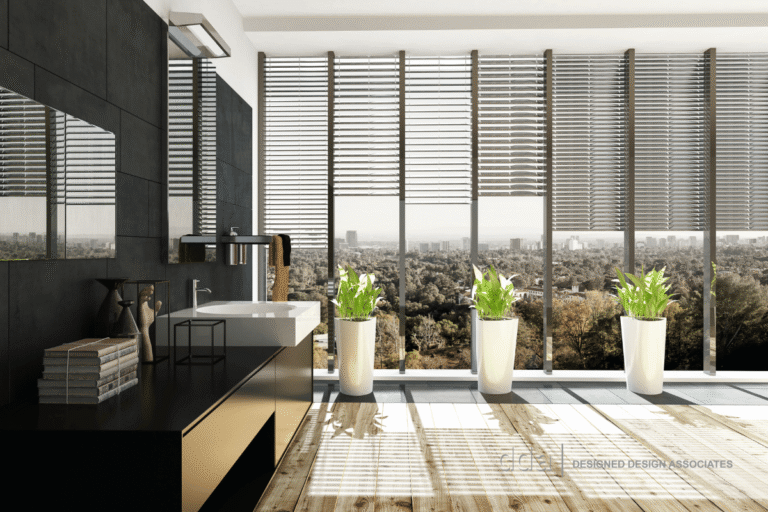
Why sustainability and luxury are no longer in tension in Malaysian home design
For much of the history of luxury interior design in Malaysia, sustainability was understood as a constraint — a set of restrictions on the most desirable materials. This understanding created a false dichotomy between luxury and sustainability that served neither goal well. The most sophisticated direction in luxury home interior design in Malaysia in 2026 has moved well beyond this dichotomy — recognising that the finest materials available to a Malaysian interior designer are natural, regional materials whose quality is inseparable from their origin in the extraordinary ecosystems of Southeast Asia.
Malaysian chengal timber, properly certified and sourced from responsibly managed forests, is not merely an environmentally responsible alternative to imported European oak. It is superior — denser, more oil-rich, more naturally resistant to Malaysia’s tropical humidity, and more beautiful in its grain character and natural variation. Local limestone and volcanic stone, quarried regionally rather than shipped from Italy or Spain, embody dramatically lower transport carbon while offering a material specificity — a geological character that is of this place — that no imported stone can provide. The sustainable specification in a Malaysian luxury home is not a compromise. It is the premium specification. This is the philosophy that underpins every project undertaken by DDA’s award-winning design team.
Designing for longevity and Malaysian material heritage as a luxury design asset
The most impactful sustainable design decision available to a Malaysian luxury homeowner is to commission a renovation that will not need to be done again for thirty years. The interior design and renovation industry is, in environmental terms, profoundly wasteful — primarily because of the frequency with which completed interiors are torn out and replaced. An interior that lasts two decades is, from an environmental perspective, vastly superior to an interior that lasts five years and is replaced four times in the same period. Designing for longevity requires specific design decisions that are simultaneously the most sustainable and the most luxurious available: natural materials whose beauty deepens with age — chengal timber that darkens and gains character over decades of use, limestone that develops a subtle patina, solid brass hardware that oxidises to a rich, complex tone.
One of the most exciting developments in luxury home interior design in Malaysia over the past decade is the growing recognition of Malaysian craft traditions and regional material heritage as genuinely premium design assets. The batik-inspired geometric patterns of traditional Malay textile traditions, translated into bespoke joinery inlay or hand-tufted rug design, create pattern work of extraordinary sophistication that no international design studio can replicate. Orang Asli weaving traditions — incorporating natural fibres, natural dyes, and geometric pattern systems of great visual complexity — produce textile works of genuine uniqueness that, properly incorporated into an interior design context, communicate cultural depth and material authenticity simultaneously.
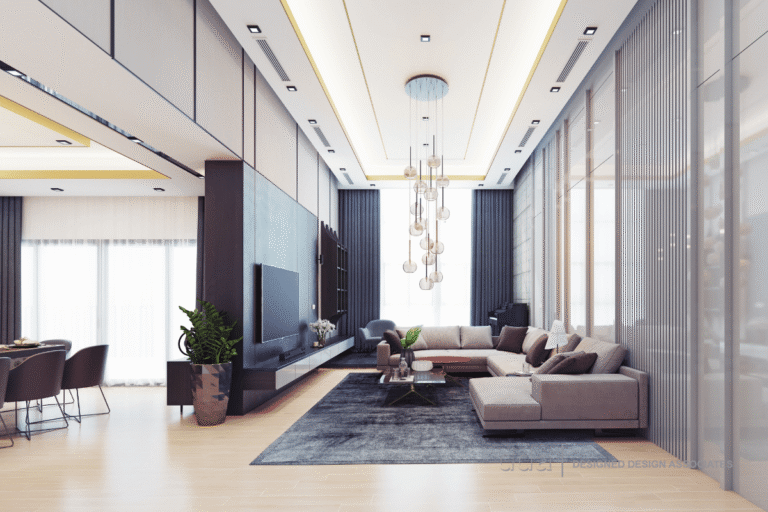
GBI, certification, and how DDA integrates sustainability into every Malaysian project
Malaysia’s Green Building Index (GBI) is the primary framework for assessing the environmental performance of buildings in the country. While GBI certification is more commonly applied to commercial buildings, its energy efficiency, indoor environmental quality, and materials sustainability criteria are directly relevant to luxury residential interior design — and increasingly requested by Malaysia’s most environmentally aware luxury homeowners. GBI-aligned interior design choices include: low-VOC paints, adhesives, and finishes that protect indoor air quality; energy-efficient LED lighting systems with smart dimming controls; water-efficient sanitaryware and fittings; materials from responsibly managed sources with traceable supply chains; and passive design strategies that reduce reliance on mechanical cooling through natural ventilation, shading, and thermally efficient material choices.
DDA’s approach to luxury interior design in Malaysia has always been grounded in quality, authenticity, and longevity — the values that sustainable design and genuine luxury share. For clients who wish to align their luxury home renovation with GBI or international wellness building standards, we provide specific guidance on specification choices that meet the relevant criteria. If you are planning a luxury home renovation in Malaysia and want a result that will be as exceptional in twenty years as it is today, contact DDA today to begin the conversation — serving Kuala Lumpur, the Klang Valley, Penang, and beyond.
Q1: What makes an interior design approach sustainable in the Malaysian context?
A1: Sustainable interior design in Malaysia prioritises materials that are locally or regionally sourced (reducing transport carbon), from responsibly managed or certified sources (FSC timber, responsibly quarried stone); natural materials with low embodied carbon and no synthetic off-gassing (lime plaster, natural oils and waxes, organic textiles); designs that are built to endure rather than to follow trends (reducing the frequency of renovations and the associated material waste); passive design strategies that reduce reliance on mechanical cooling (natural ventilation, solar shading, thermally appropriate material choices); and energy-efficient systems (LED lighting, smart controls, water-efficient sanitaryware).
Q2: What Malaysian materials should I use in a sustainable luxury home?
A2: Sustainable luxury materials specific to Malaysia include: chengal, merbau, and resak hardwood (naturally durable, oil-rich Malaysian hardwood species from FSC-certified sources); regional limestone, volcanic stone, and river stone (lower transport carbon than imported European marble, with a material character specific to Southeast Asia); bamboo and rattan from responsibly managed sources (highly renewable, naturally tropical, and culturally resonant); handwoven natural textiles incorporating traditional Malaysian patterns (unique, culturally significant, and produced by local craftspeople); and locally produced ceramics and tiles incorporating traditional Malaysian craft traditions.
Q3: How does designing for longevity reduce the environmental impact of a renovation?
A3: Designing for longevity reduces the environmental impact of a renovation by extending the interval between renovations — reducing the frequency of construction activity, material production, transport, and waste generation associated with each renovation cycle. A renovation designed to last 25 years has, approximately, one-fifth the lifetime environmental impact of a renovation designed to last 5 years and replaced five times. The most important design decisions for longevity are: choosing natural materials that age gracefully rather than degrade; avoiding trend-driven aesthetic choices that will appear dated within a decade; and specifying construction quality and joinery execution that will not require remediation within the design lifetime.
Q4: Is Green Building Index certification relevant to luxury residential renovations in Malaysia?
A4: GBI certification is less commonly pursued for residential renovations than for commercial buildings in Malaysia, but the criteria are highly relevant to luxury residential interior design and are increasingly requested by environmentally aware homeowners. GBI-aligned residential design choices include low-VOC materials and finishes, energy-efficient lighting and M&E systems, water-efficient sanitaryware, materials with responsible supply chain credentials, and passive design strategies that reduce mechanical cooling loads. For clients who wish to formally pursue certification, DDA can provide specification guidance and documentation support.
Q5: What is the relationship between Malaysian cultural heritage and luxury interior design?
A5: Malaysian cultural heritage is one of the most valuable resources available to a luxury interior designer working in Malaysia — offering a depth of pattern tradition, material knowledge, craft technique, and spatial philosophy that is impossible to replicate through any imported design language. Batik-inspired geometric patterns, Orang Asli weaving traditions, traditional Malay architectural proportional systems, Peranakan tile and decorative traditions, and the material landscape of tropical Southeast Asia are all genuine luxury design assets — conferring uniqueness, depth, and cultural authenticity to an interior that no international aesthetic can match.