
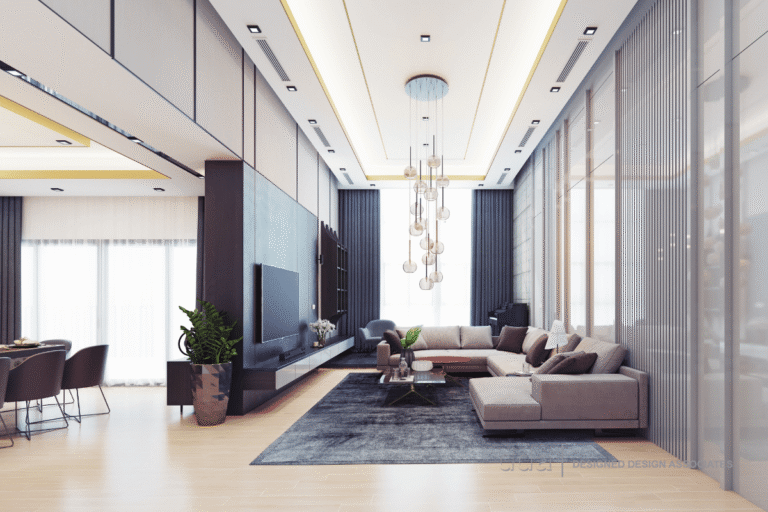
Why tropical luxury has become Malaysia’s defining luxury interior design movement
For decades, the aspiration in Kuala Lumpur’s luxury residential interior design market was broadly European — imported marbles, dark-stained European oaks, classical furniture references, and a design language that could have been transplanted from a London townhouse or a Parisian apartment. This aspiration was understandable: it signalled affluence and internationalism. But it ignored something fundamental. Malaysia has its own extraordinary design heritage, its own remarkable material landscape, and one of the most lush and vibrant natural environments in the world. Tropical luxury interior design in Kuala Lumpur is the movement that has finally recognised and celebrated this — creating high-end home interiors that are not just beautiful by international standards but genuinely, unmistakably rooted in their place.
The emergence of tropical luxury as the dominant direction in Malaysian luxury interior design in 2026 is not simply a stylistic trend. It reflects a deeper cultural maturation — a growing confidence among Malaysia’s high-net-worth homeowners in the value and distinctiveness of their own design heritage. When a KL homeowner chooses local chengal timber over imported European oak, or specifies locally sourced limestone rather than Italian Calacatta marble, or incorporates Orang Asli weaving patterns into a bespoke joinery design, they are making a statement that is simultaneously aesthetic, cultural, and philosophical. This is what distinguishes genuine tropical luxury interior design from its predecessors — it is not a style applied to a home. It is an expression of identity embedded in the home’s very fabric.
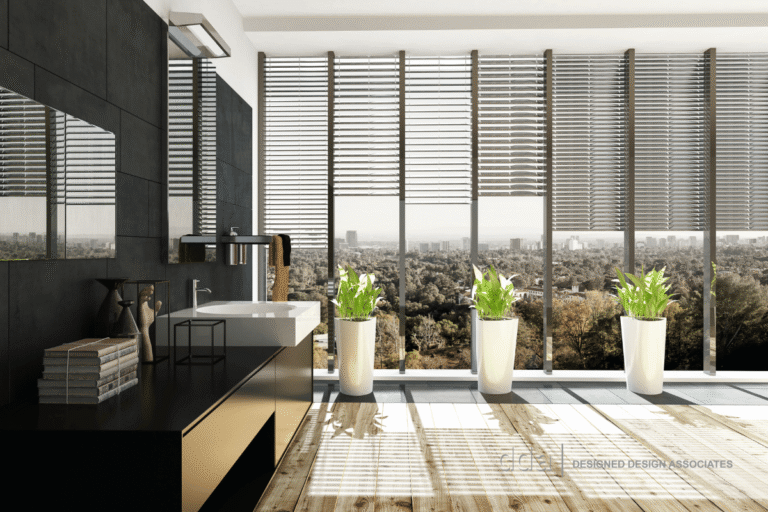
The material language of tropical luxury in Malaysian homes
The material palette of tropical luxury interior design in Malaysia in 2026 draws equally from the country’s natural resources and its rich craft traditions. Chengal, cengal, merbau, and resak — Malaysian hardwood species prized for their density, natural oils, and resistance to humidity — appear in flooring, staircase construction, and bespoke joinery in place of imported timbers. Local volcanic stone, river stones, and regional limestone varieties provide surface materials with a natural variation and geological character that no imported equivalent can replicate. Handwoven rattan, bamboo, and split-bamboo panels — worked by craftspeople whose knowledge of these materials spans generations — bring texture and cultural depth to contemporary interior design contexts that mass-produced alternatives cannot achieve.
The interior styling vocabulary of tropical luxury extends beyond materials to encompass plant life, water features, and the orchestration of natural light in ways that are specific to Malaysia’s equatorial climate. Living walls of tropical ferns, heliconias, and climbing plants integrated into interior architecture — not as decorative accessories but as structural elements of the design — dissolve the boundary between interior and landscape in a way that is both visually spectacular and genuinely responsive to the building’s environment. Water features, from the modestly scaled courtyard koi pond to the architecturally ambitious indoor waterfall, introduce the sound and movement of water into the home in a tradition that is deeply embedded in Malaysian residential architecture. A skilled luxury interior design company in Malaysia will deploy these elements not as stylistic gestures but as resolved architectural propositions, ensuring that they function as well as they look and age gracefully in Malaysia’s high-humidity environment.
Spatial principles for tropical luxury homes in KL
The spatial strategy for a tropical luxury home in Kuala Lumpur must respond to the city’s climate, the site’s orientation, and the owner’s lifestyle in equal measure. Ventilation is architectural in tropical luxury design — not merely a mechanical systems question. The best tropical luxury homes in KL are designed around the movement of natural air: cross-ventilation paths are established in the spatial plan, ceiling heights are generous to promote natural convective cooling, and the relationship between interior spaces and outdoor terraces or gardens is orchestrated to maximise airflow. This reduces reliance on mechanical air conditioning, creates more comfortable living environments, and connects the interior experientially to the landscape outside.
The indoor-outdoor relationship is the single most important spatial consideration in tropical luxury residential interior design in Malaysia. The finest luxury homes in Kuala Lumpur — in Damansara Heights, Kenny Hills, Bangsar, and beyond — are those where the boundary between interior and exterior dissolves most completely: large format pivot or sliding doors that open entire walls to the garden or pool terrace; consistent flooring materials that run uninterrupted from the living room to the outdoor dining area; covered transition zones — verandahs, loggias, and covered terraces — that allow outdoor living in all of Malaysia’s weather conditions. A luxury interior designer in KL who does not engage with this indoor-outdoor question at the core of the spatial strategy is missing the fundamental design opportunity that Malaysian residential architecture offers.
How DDA approaches tropical luxury interior design in Malaysia
DDA’s approach to high-end residential interior design in Malaysia begins with a rigorous discovery process — understanding not only the aesthetic preferences of our clients but the way they actually use their homes across different times of day, seasons, and occasions. Do they entertain frequently or prefer privacy? Do they work from home? Do they have young children who need robust materials, or are they empty-nesters who prioritise serene aesthetics above all? Do they spend more time in the formal living room or the family room that opens to the garden? These questions shape every subsequent design decision — from the spatial strategy to the material palette to the lighting design — ensuring that the resulting home interior is not just beautiful but genuinely, sustainably liveable.
Our interior design services in Malaysia encompass the full project scope, from the initial concept and space planning brief through to contractor management, material procurement, furniture specification, and final styling. We work with the finest craftspeople, material suppliers, and specialist contractors in the region, and our 28-year track record of award-winning interior design across Singapore and Malaysia gives us the depth of experience that genuinely complex residential projects demand. Whether the brief calls for a fully immersive tropical contemporary experience, a refined warm minimalist approach, or a bespoke fusion of international and Malaysian design influences, DDA has the creative range and technical capability to deliver it at the highest level.
If you are planning a luxury home renovation in Kuala Lumpur and want an interior that is genuinely extraordinary — rooted in Malaysia’s remarkable design landscape while meeting the highest international standards — DDA would be delighted to hear about your project. Contact our Malaysia team today to arrange an initial consultation with a senior residential interior designer.
📞 Contact us today to begin your interior design journey .
Q1: What is tropical luxury interior design in the context of Malaysian homes?
A1: Tropical luxury interior design in Malaysia is an approach to high-end residential interior design that draws on Malaysia’s natural material landscape, craft traditions, and climatic conditions to create homes that are simultaneously luxurious by international standards and distinctively rooted in their Malaysian context. Key characteristics include the use of local hardwood species (chengal, merbau), regional stone and ceramic materials, handwoven rattan and bamboo, integrated planting and water features, and spatial strategies that prioritise natural ventilation and indoor-outdoor connection. It represents a mature, confident alternative to the imported European aesthetic that previously dominated Malaysian luxury interior design.
Q2: Why is natural ventilation important in Malaysian luxury home design?
A2: Natural ventilation is important in Malaysian luxury home design because it directly affects comfort, energy efficiency, and the quality of the living experience. Malaysia’s equatorial climate produces consistent heat and humidity that mechanical air conditioning manages but does not resolve experientially — the best Malaysian homes use spatial design to promote natural airflow, reducing reliance on air conditioning, creating cooler and more comfortable environments, and maintaining the sensory connection to the outdoor environment that defines great tropical architecture. A luxury interior designer in KL who designs for natural ventilation is creating a home that is more pleasant to live in and more sustainable to operate.
Q3: What materials are best suited to luxury homes in Kuala Lumpur’s climate?
A3: Materials best suited to luxury homes in Kuala Lumpur’s tropical climate include: local hardwood species such as chengal, merbau, and resak, which are naturally oil-rich and highly resistant to humidity and insects; engineered timber products that offer the appearance of solid wood with superior dimensional stability in humid conditions; natural stone surfaces — particularly local limestone and volcanic stone — that handle temperature variation well; ceramic and porcelain tiles with low water absorption ratings for wet areas and outdoor spaces; and outdoor furniture and fabric specifications rated for tropical UV and humidity levels. A specialist luxury interior design company in Malaysia will advise on material suitability as an integral part of the design process.
Q4: How much does a luxury home renovation cost in Kuala Lumpur in 2026?
A4: A full luxury home renovation in Kuala Lumpur in 2026 typically costs between RM 400,000 and RM 2 million or more, depending on property size, scope of structural works, material specification, and the extent of custom elements. A premium bungalow renovation in Damansara Heights or Kenny Hills with full bespoke joinery, imported and locally sourced premium materials, smart home integration, landscape design, and pool works can exceed RM 3 million for larger properties. Design fees from a senior luxury interior design firm in Malaysia typically range from RM 40,000 to RM 200,000 depending on project scale.
Q5: What are the most prestigious addresses for luxury homes in Kuala Lumpur?
A5: The most prestigious residential addresses in Kuala Lumpur for luxury homes include Damansara Heights (established, leafy, large bungalow and semi-detached properties), Kenny Hills / Bukit Tunku (hilltop bungalows with exceptional privacy and views, historically KL’s most exclusive address), Bangsar (vibrant, walkable, popular with international residents), Ampang Hilir and U-Thant (KL’s traditional diplomatic and expatriate enclave), and Sri Hartamas and Mont Kiara (premium condominium stock with strong expatriate communities). KLCC itself offers the most prestigious high-rise addresses in the country, including The Troika, Four Seasons Place Residences, and St Regis Residences.