
The Art of Welcoming Interior Design in Malaysia
A welcoming home is more than beautiful furniture or trendy décor — it is the result of thoughtful interior design, intentional space planning, and layered styling that balances comfort with elegance. In Malaysia’s residential interior design landscape, homeowners are increasingly prioritising warmth, functionality, and refined aesthetics when planning renovation or design-and-build projects.
Whether designing a landed property in Kuala Lumpur or a luxury condominium in Penang, creating an inviting interior requires strategic lighting design, curated material selection, spatial harmony, and personalised décor. Here are five essential interior design elements that all welcoming Malaysian homes share — and how you can incorporate them into your next renovation project.
1. A Thoughtfully Designed Entryway
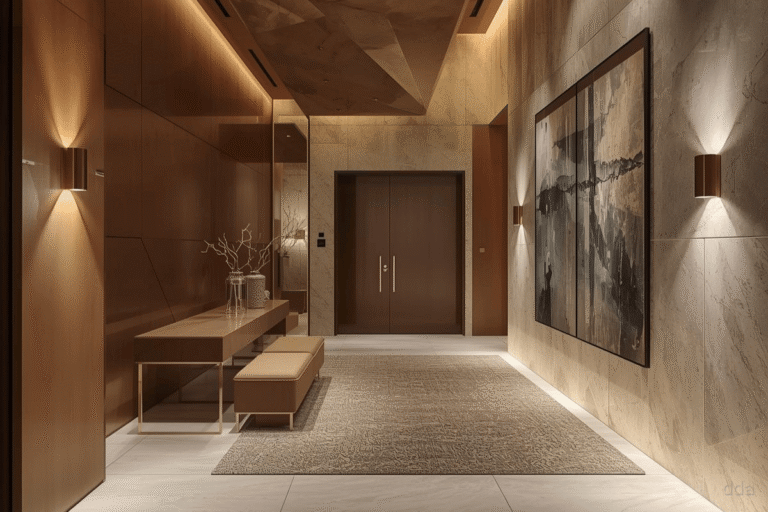
The entryway sets the tone for the entire interior design experience. In Malaysian homes, a well-planned foyer with custom carpentry, a console table, statement mirror, and layered lighting immediately creates a welcoming spatial transition. Good space planning ensures that the entrance feels open yet organised, blending aesthetics with practical storage solutions.
From an interior architecture perspective, the entry zone should reflect the home’s overall design concept — whether contemporary, modern tropical, or classic luxury. Incorporating natural materials such as timber panels, marble flooring, or textured wall finishes enhances visual warmth while elevating the design narrative.
Strategic lighting design — including wall sconces, pendant fixtures, or concealed cove lighting — enhances ambience and creates depth. A curated entryway establishes a refined interior styling direction while maintaining functional efficiency.
2. Layered Lighting for Warmth and Ambience
Lighting design plays a critical role in creating a welcoming atmosphere. In Malaysian interior design, relying solely on ceiling downlights can make spaces feel flat and clinical. A layered lighting approach — combining ambient lighting, task lighting, and accent lighting — enhances depth and comfort within the spatial layout.
Warm lighting temperatures paired with designer floor lamps, table lamps, and concealed LED strips introduce softness into living rooms and dining areas. This lighting strategy complements natural daylight, especially in homes with large windows or open-plan layouts.
Professional interior designers integrate lighting into architectural detailing, such as feature walls, ceiling recesses, and joinery design. This ensures that illumination enhances material textures, furniture silhouettes, and overall interior composition.
3. Texture and Material Layering
A welcoming interior design relies heavily on texture. In Malaysia, where minimalist trends are popular, layering materials prevents spaces from feeling sterile. Upholstered furniture, woven rugs, linen curtains, and natural wood finishes introduce tactile richness to the overall interior styling.
Material selection is essential in luxury interior design. Combining stone surfaces, engineered timber flooring, rattan accents, and soft furnishings creates contrast and visual balance. This layering technique adds sophistication while maintaining warmth.
Interior designers often use neutral colour palettes as a base and build interest through fabric textures, surface finishes, and decorative accessories. The result is a cohesive interior environment that feels curated yet inviting.
4. Incorporating Greenery and Natural Elements
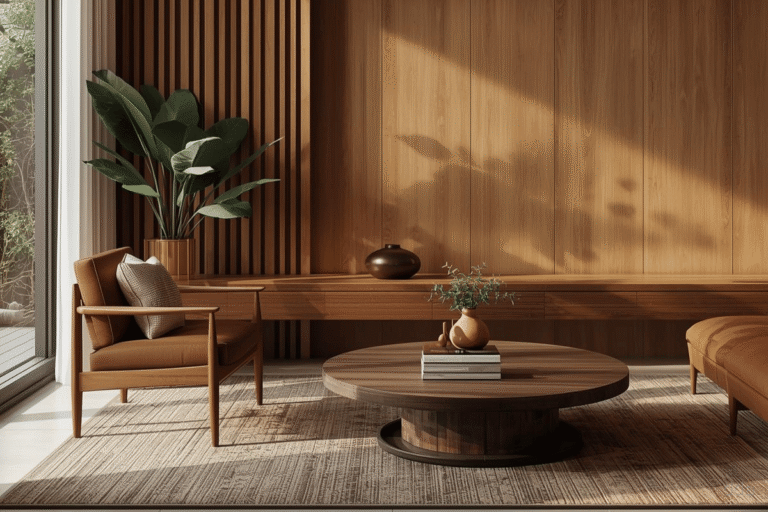
Bringing nature indoors is especially relevant in Malaysia’s tropical climate. Indoor plants, vertical garden features, and organic materials contribute to biophilic interior design — enhancing comfort and well-being. Natural greenery softens architectural lines and complements contemporary interior styling.
Beyond plants, incorporating stone countertops, timber panels, and natural fibre textiles strengthens the connection between indoor and outdoor spaces. This integration supports spatial harmony while enriching material depth.
From a design-and-build perspective, aligning interior architecture with natural elements increases long-term design value and creates a serene residential atmosphere.
5. Personalised Styling with Cohesive Organisation
A welcoming home reflects its owners. Thoughtfully displayed artwork, curated décor objects, and meaningful accessories add personality to the interior design without overwhelming the space. Strategic styling enhances character while maintaining design balance.
However, organisation remains critical. Built-in storage solutions, concealed cabinetry, and custom wardrobe systems prevent visual clutter and preserve the clean lines of the spatial layout. Interior design should merge aesthetic expression with practical functionality.
When personal touches are layered into a structured interior framework, the result is a refined yet warm environment that feels authentic and timeless.
Designing a Warm, Timeless Malaysian Home
Welcoming homes are intentionally designed — not accidentally styled. Through thoughtful entryways, layered lighting design, material richness, natural elements, and personalised décor, Malaysian homeowners can achieve interiors that feel elegant, comfortable, and enduring.
A successful interior design balances luxury with livability, ensuring your renovation investment enhances both aesthetics and long-term value.
✨ Ready to transform your Malaysian home into a welcoming, timeless space?
Speak to our interior design team today to explore bespoke design-and-build solutions tailored to your lifestyle and architectural vision.