
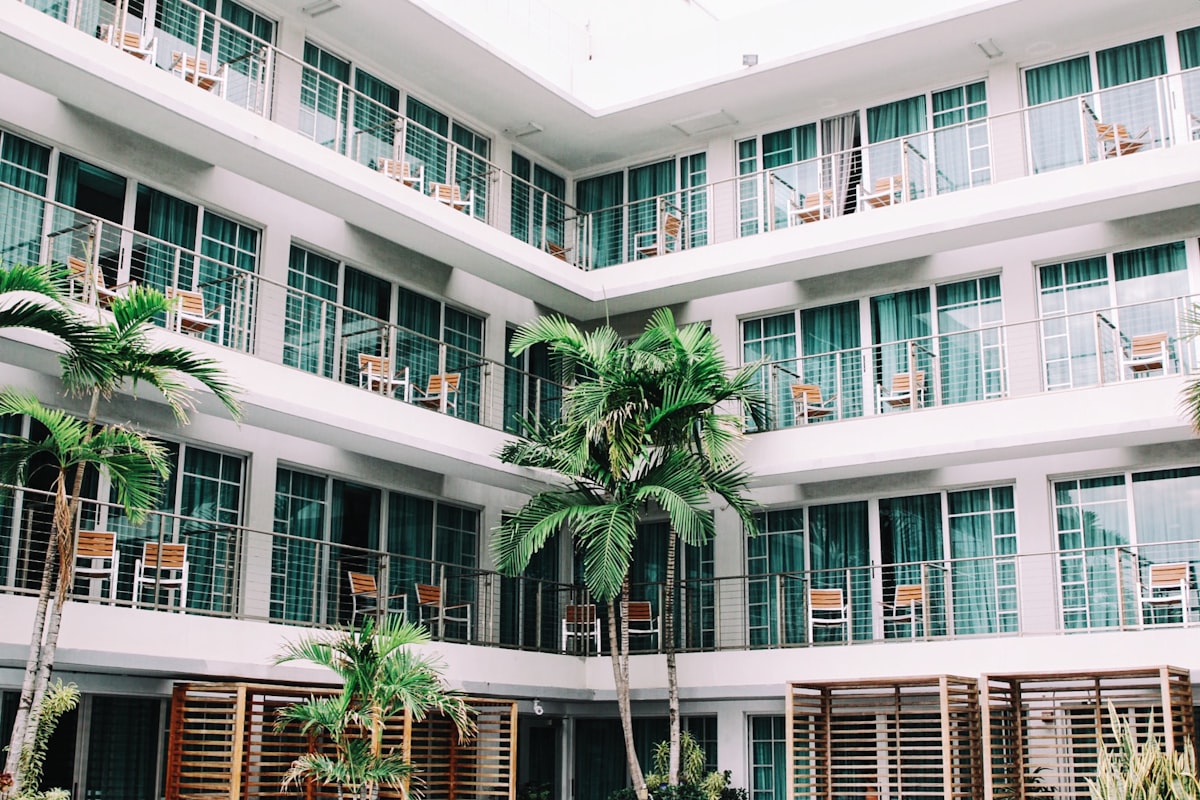
A hotel is one of the most demanding design briefs in existence. From a city business hotel in the KLCC corridor to a heritage boutique property in Penang’s George Town, or a resort destination in Langkawi — every hospitality project in Malaysia presents a unique intersection of brand, culture, climate, and operational complexity. Hotel interior design Malaysia demands a rare combination of aesthetic ambition and operational intelligence. The most successful Malaysian hospitality projects are led by firms with deep experience across both.
The anatomy of a great Malaysian hotel interior
- Arrival experience: the lobby must communicate brand and quality within seconds — in a KL city hotel, it competes with some of Asia’s most sophisticated hotel interiors.
- Circulation and wayfinding: guests should never feel disoriented, but the journey between entrance, rooms, F&B, and amenities should feel designed and deliberate.
- Guest rooms: in Malaysian hotels, the balance between compact spatial efficiency and generous comfort is the hardest brief to resolve. Materials must be premium and durable under tropical conditions.
- F&B and social areas: increasingly the centrepiece of the Malaysian hotel guest experience, designed to attract Klang Valley residents and visitors alike.
- Back-of-house integration: the best hotel design in KL, Penang, and Ipoh conceals its operational infrastructure completely.
What makes hospitality interior design in Malaysia distinct
Malaysian hotels serve a culturally diverse clientele — from international corporate travellers in the KLCC business district to heritage-seeking visitors in Penang’s UNESCO World Heritage Zone. Design must feel globally refined while remaining contextually rooted.
Tropical climate demands material selections that are resilient and humidity-resistant at scale. Stone and timber species that perform beautifully in London or Tokyo may deteriorate quickly in Malaysia’s climate without careful specification.
The rise of lifestyle hotels and branded residences across KL City Centre, Bangsar South, and Ipoh has raised the bar for design originality. DDA’s work on Atlan Hotel demonstrates how commercial hospitality design is being redefined in the Malaysian market.
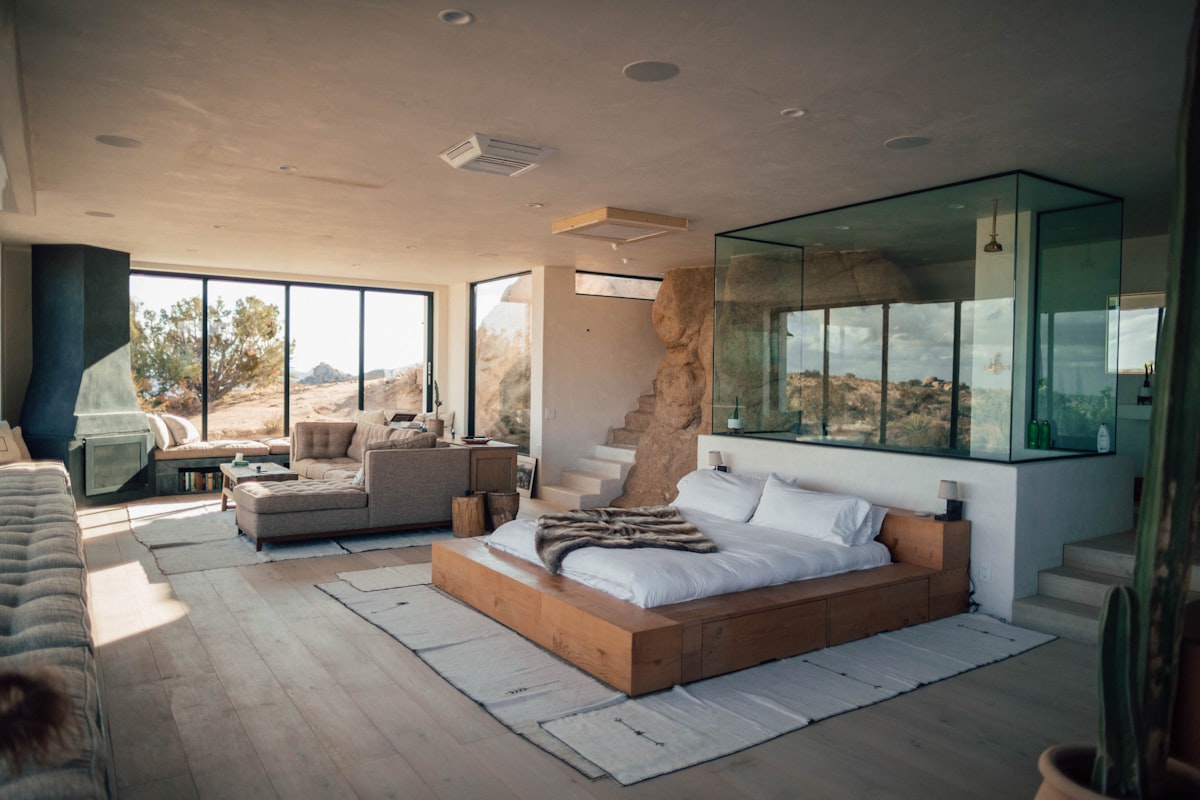
Hospitality design across Malaysian cities
- Kuala Lumpur (KLCC / Bukit Bintang): premium city hotels require designs that hold their own against international five-star competition. Materials must perform under heavy use and convey brand positioning immediately.
- Penang (George Town and Batu Ferringhi): heritage boutique hotels demand sensitivity to colonial and Peranakan architectural context. DDA integrates local material culture — terrazzo, timber louvres, handmade tile — within a contemporary luxury framework.
- Ipoh: the emerging boutique hotel scene rewards distinctiveness. Properties reflecting the city’s art deco heritage and growing reputation as a food and cultural destination are performing exceptionally well.
- Johor Bahru and the southern corridor: proximity to Singapore creates an opportunity for hospitality interiors that speak to both Malaysian and Singaporean guest expectations.
DDA’s approach to hotel interior design in Malaysia
- A detailed briefing process covering brand positioning, target guest profile, operational requirements, FF&E budget, and timeline.
- Concept development that runs parallel to technical coordination — beautiful spaces in Malaysian hotels must also function under intense daily use.
- Material and FF&E specification that balances luxury appearance with operational durability.
- Full project management from concept to handover, coordinating contractors, suppliers, and regulatory compliance across Peninsular Malaysia.

Frequently Asked Questions
How long does a hotel interior design project in Malaysia typically take from brief to opening?
Timelines vary considerably depending on project scope. A full-scale hotel interior design project in KL or Penang — covering public areas, F&B, and guest rooms — typically runs 18 to 36 months from brief to handover. Boutique hotel refurbishments in Ipoh or George Town can move faster. DDA provides detailed project programmes at the briefing stage.
Can DDA handle interior design for heritage hotel properties in Penang’s George Town?
Yes. DDA has experience working within heritage and conservation buildings, including properties within Penang’s UNESCO World Heritage Zone. This requires close coordination with the Penang State Government’s heritage guidelines and a design approach that respects architectural context while delivering a luxury contemporary interior experience.
What is the difference between a hotel interior designer and a general commercial interior designer?
Hospitality interior design is a specialist discipline requiring understanding of FF&E procurement at scale, operational durability, brand standards compliance, life safety regulations, and how hospitality spaces are used and cleaned. DDA has delivered hotel, serviced apartment, and resort projects across Malaysia.
Does DDA design F&B spaces within hotel projects, or only guest rooms and lobby areas?
DDA designs the full scope of hospitality interior spaces — hotel lobbies, guest rooms, suites, all-day dining, specialty F&B outlets, meeting and event spaces, spa and wellness areas, and external amenity spaces. We treat the guest journey as a single brief, not a collection of separate rooms.
If you are a hotel developer, operator, or owner planning a new build or full renovation in Kuala Lumpur, Penang, Ipoh, or elsewhere in Malaysia, DDA welcomes the opportunity to discuss your project. Contact our Petaling Jaya team for an initial consultation.
Explore more from our blog: Quiet Luxury Interior Design Malaysia | Show Unit Interior Design Malaysia | Penthouse Interior Design Malaysia