
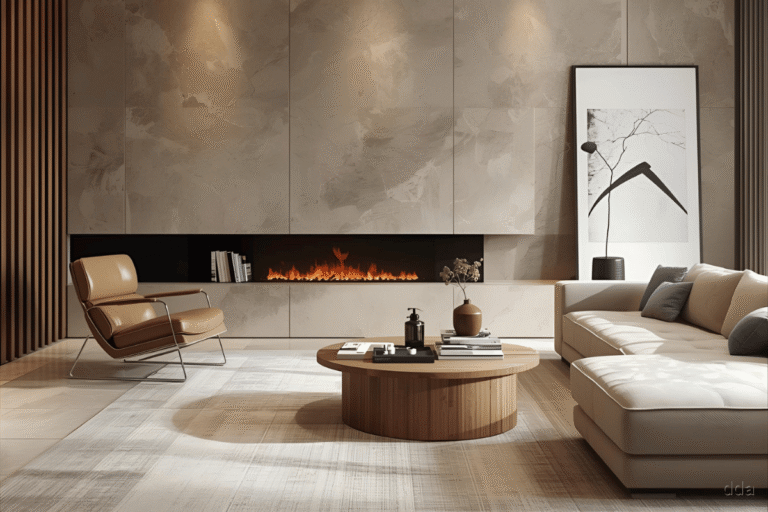
Interior design trends are embracing a softer, more tactile approach — moving beyond stark minimalism to warm minimalism combined with textural layering. This style balances clean, uncluttered spaces with cozy, inviting materials, creating homes that are both visually calm and comfort-driven.
For Malaysian homes, this trend is especially relevant. The tropical climate brings high humidity and abundant natural light, which can make modern interiors feel either too stark or too heavy if not carefully planned. Interior designers Malaysia are increasingly combining warm minimalism with layered textures to create spaces that feel contemporary, elegant, and perfectly suited to local living conditions.
What is Warm Minimalism?
Warm minimalism is a softer take on the clean, pared-down look that minimalism is known for. Instead of cold, stark whites or monochrome palettes, warm minimalism emphasizes soft neutrals, muted tones, and uncluttered spaces. Think beige walls, sand-colored furnishings, and subtle earthy accents.
In tropical climates like Malaysia, warm minimalism works exceptionally well because it complements natural daylight. Sunlight filtering through windows or verandas accentuates these warm tones, creating a cozy, airy atmosphere without overwhelming the space. Malaysian home interiors designed in this style feel bright yet intimate, modern yet comfortable.
This style also emphasizes intentionality: furniture is curated, decorative items are minimal, and each piece is chosen for both form and function. For homeowners seeking a sophisticated yet livable aesthetic, warm minimalism offers the perfect balance.
The Power of Textural Layering
Where warm minimalism keeps spaces clean and calm, textural layering adds depth, comfort, and tactility. This involves combining materials such as wood, rattan, linen, soft textiles, and stone finishes. Layering textures ensures a minimalist space doesn’t feel flat or cold.
For example, a rattan chair paired with a soft linen cushion, wooden coffee tables with woven baskets, and a plush area rug creates a sensory-rich environment. Interior designers Malaysia use this approach to enhance both the visual and physical experience of a home, making it feel welcoming and dynamic.
Textural layering also provides visual interest in spaces with neutral palettes. It allows homeowners to play with contrasts between smooth, rough, soft, and hard surfaces, giving minimalist interiors a natural richness and warmth.
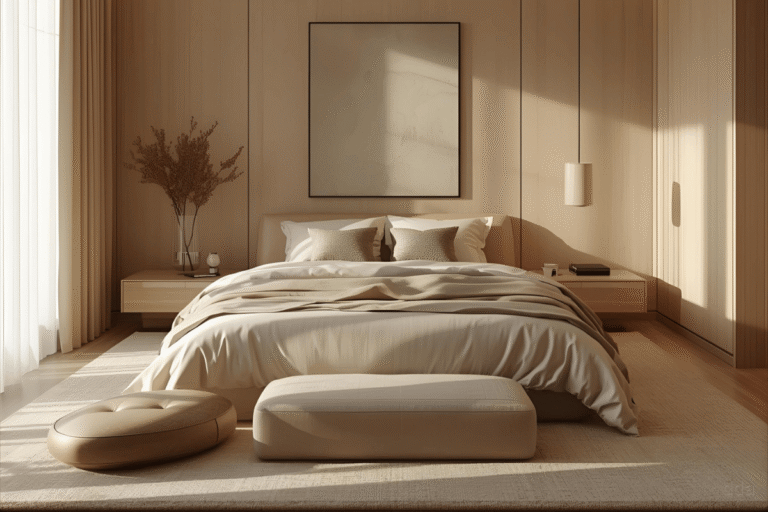
Adapting the Trend for Malaysian Homes
Malaysian homes face specific challenges due to the tropical climate. High humidity can damage certain materials, while intense sunlight may fade colors or create glare. Adapting warm minimalism and textural layering for Malaysia requires practical interior design solutions:
Humidity-resistant materials: Opt for engineered wood, treated rattan, or moisture-resistant fabrics.
Open-air extensions: Integrate balconies, terraces, or courtyards to improve airflow and connect indoor and outdoor spaces.
Natural ventilation: Place windows, vents, and louvres strategically to allow cross-breezes, keeping interiors cool and fresh.
By thoughtfully selecting materials and planning layouts, homeowners can enjoy the warmth and sophistication of this style while ensuring durability and comfort in tropical conditions.
Case Study / Inspiration
One excellent example of this trend in action is a luxury KL villa designed by a top interior designer Malaysia. The living room combines soft sand-colored walls with layered wood and rattan furniture, linen cushions, and a neutral jute rug. Large sliding glass doors open to a breezy terrace, allowing natural light and ventilation to flow through the space.
Similarly, a luxury condo in Kuala Lumpur integrates warm minimalism with textured accents: muted taupe sofas, timber cabinetry, woven pendant lighting, and linen drapes. These elements create depth and tactile interest without cluttering the clean lines of the apartment. Both examples show how the trend balances contemporary elegance with local climate considerations.
Warm minimalism and textural layering are redefining modern Malaysian luxury. By combining soft neutrals, uncluttered spaces, and layered tactile materials, homeowners can create interiors that feel both contemporary and inviting.
For Malaysian homes, this trend solves the challenge of balancing style, comfort, and climate: interiors feel airy, bright, and alive, yet remain functional and resilient against humidity and heat. With the right guidance from an experienced interior designer Malaysia, warm minimalism paired with textural layering creates spaces that are luxurious, cozy, and perfectly suited to modern Malaysian living.