
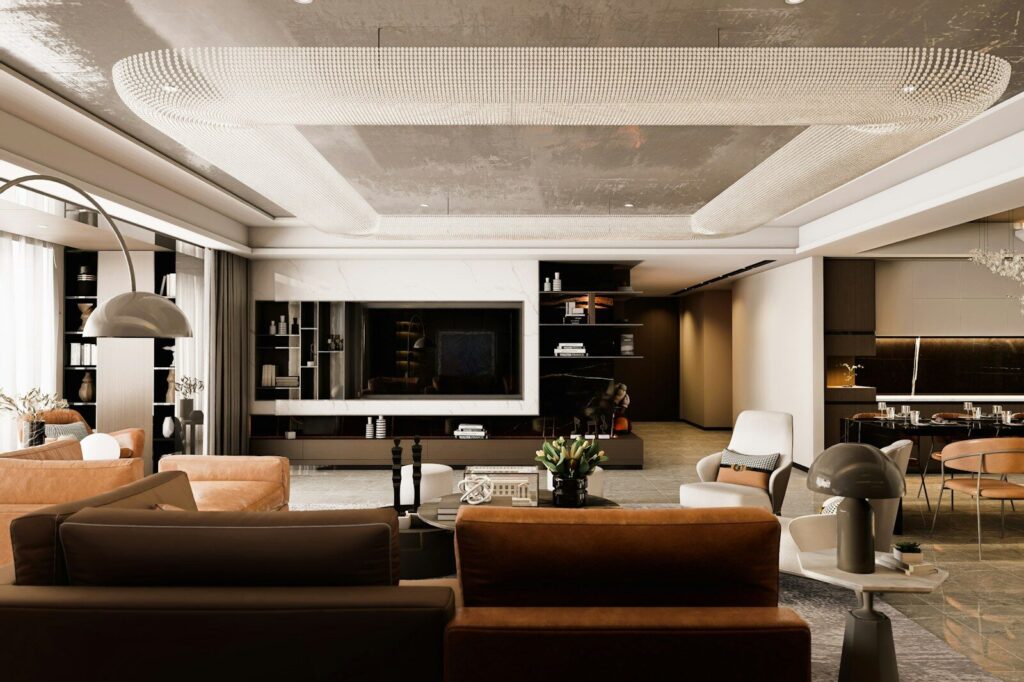
High-rise living in Kuala Lumpur offers incredible convenience, elite amenities, and spectacular city views. However, standard developer layouts—even in premium buildings—often lack the bespoke character required for true luxury. Transforming a conventional condo footprint into a bespoke, penthouse-level residence requires a meticulous approach that goes far beyond simply buying expensive furniture.
To achieve a truly elevated aesthetic, homeowners must embrace a holistic approach to residential interior design. By focusing on customized space planning, tailored storage, and sophisticated materiality, a high-rise unit can rival the grandeur of a sprawling landed property while maintaining the sleek, lock-and-leave convenience of city living.
1. Custom Joinery and Invisible Storage
To elevate a space from a standard unit to a tailored masterpiece, condo interior design must prioritize custom joinery. Off-the-shelf furniture, no matter the brand, simply cannot compete with the flawless integration of floor-to-ceiling built-ins that maximize every millimeter of your floor plan. Freestanding cabinets create awkward dead spaces and shadow lines, whereas custom millwork becomes a seamless part of the architecture.
By investing in bespoke cabinetry, homeowners can completely conceal everyday clutter. Imagine flush, handle-less wardrobe panels that look like textured architectural walls, or a kitchen where high-end appliances are entirely hidden behind rich timber veneers. This level of meticulous home interior design creates a visually serene, monolithic aesthetic that makes the entire condominium feel significantly larger and decidedly more exclusive.
Furthermore, custom joinery allows for the integration of hidden functionalities tailored exactly to your lifestyle. A beautifully paneled living room wall might conceal a sophisticated wet bar for entertaining, or a fold-out executive desk for remote work. This personalized approach is the cornerstone of luxury interior design, ensuring your home functions perfectly for your specific needs without ever compromising on aesthetics.
2. Layered Lighting and Smart Home Automation
Relying on the standard ceiling downlights provided by developers guarantees a flat, uninspiring atmosphere. To achieve a truly premium feel, modern interior design relies heavily on layered lighting architectures. This involves combining ambient lighting for general visibility, task lighting for specific functions, and high-contrast accent lighting to draw the eye toward custom artwork, textured walls, or architectural features.
The mood of a luxury residence must be highly adaptable, seamlessly transitioning from a bright, energizing space during a morning coffee to a warm, intimate lounge for evening cocktails. A sophisticated interior design strategy utilizes concealed LED strip lighting to wash walls and highlight custom shelving. By illuminating the vertical planes of the room, the walls appear pushed outward, instantly creating an illusion of expansive space.
Integrating these layered lighting elements with comprehensive smart home technology is where high-end living truly shines. With a single voice command or tap on a smartphone, homeowners can trigger complex “scenes” that adjust the climate, lower motorized sheer blinds, and dim the lights to the perfect level. Partnering with interior design experts ensures these technical elements are hidden within the ceiling bulkheads, leaving only the magical experience behind.
3. Maximizing Panoramic Views and Natural Light
When you reside dozens of stories above the Kuala Lumpur skyline, the panoramic view is undeniably your greatest asset. Elite high-end interior design must be meticulously planned to frame and enhance this feature, never to compete with it or block it. Employing low-profile furniture—such as low-backed Italian modular sofas and sleek console tables—ensures sightlines remain completely unobstructed from the moment you walk through the front door.
Strategic placement of large-scale, architectural mirrors is a classic, high-impact technique used by top designers to amplify a high-rise space. By positioning mirrored panels opposite or adjacent to floor-to-ceiling windows, natural light is bounced deep into the darker core of the unit. This clever interior design trick reflects the city skyline inward, effectively wrapping the room in the view and doubling the visual impact of the windows.
Window treatments also require careful consideration in a luxury setting. Heavy, outdated drapes can make a condo feel claustrophobic and block precious light. Opting for sheer, motorized UV-filtering roller blinds allows for daytime privacy and climate control while maintaining a constant, airy connection to the sky outside. This ensures the residence feels like a true penthouse oasis.
4. Hotel-Grade Bathrooms and Spa-Like Ensuites
Nothing communicates wealth and relaxation quite like a bathroom that rivals a five-star hotel spa. Upgrading standard condo bathrooms is a major focus in premium bespoke interior design. The goal is to strip away generic developer tiles and basic fixtures, replacing them with immersive, tactile environments designed for total decompression after a busy day in the city.
This transformation often starts with materiality. Swapping standard ceramics for large-format porcelain slabs that mimic rare Calacatta marble provides a seamless, grout-free look that is incredibly luxurious and incredibly easy to maintain. Adding brushed brass, gunmetal, or matte black architectural tapware elevates the tactile experience of simply turning on the water, proving that true luxury lives in the everyday details.
Beyond aesthetics, a spa-like ensuite requires sensory upgrades. Think heated towel rails, smart toilets with integrated bidets, ambient cove lighting, and oversized walk-in rain showers with built-in stone benches. By executing these upgrades with a professional interior design firm, you ensure that the complex plumbing and waterproofing modifications required in a high-rise building are handled flawlessly and securely.
5. Curated Material Palettes and Tactile Luxury
The final layer of a truly luxurious home is its material palette. A space can have a perfect layout, but if it relies on synthetic laminates and cheap fabrics, it will never feel premium. The highest tier of interior design insists on authentic, enduring materials that develop a beautiful patina over time, such as natural stone, rich walnut veneers, solid brass accents, and acoustic wood paneling.
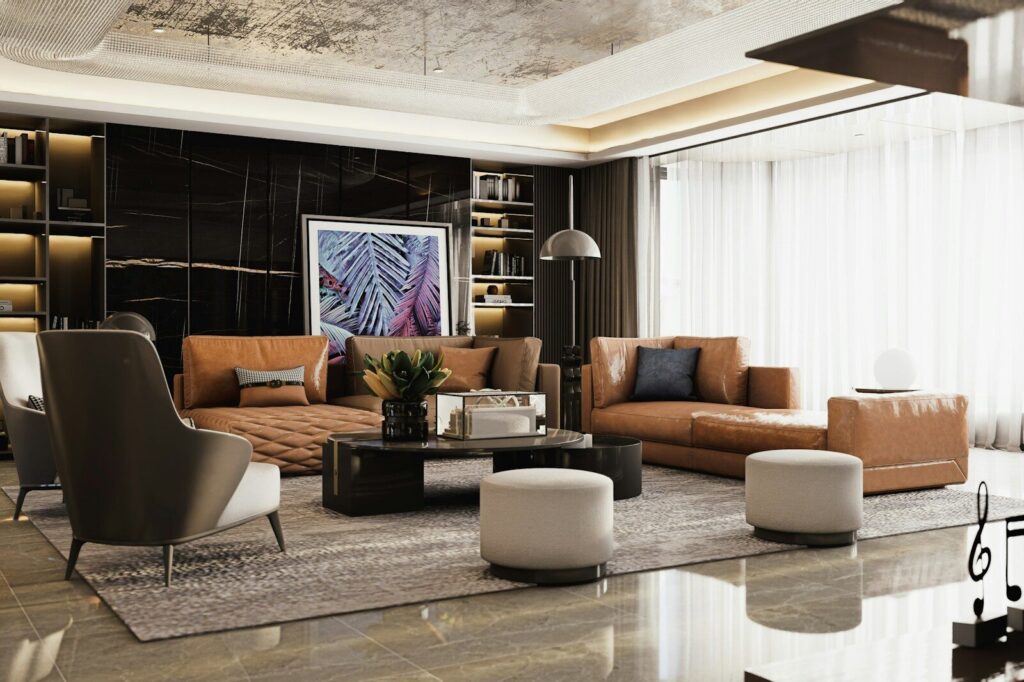
Texture is just as important as color when designing for the luxury market. A sophisticated home balances hard, architectural surfaces with soft, inviting textiles. Think bouclé lounge chairs resting on hand-tufted wool rugs, contrasted against a polished marble coffee table. This tension between hard and soft, cool and warm, is what gives a room depth and prevents it from feeling like a sterile, unlivable showroom.
At DDA, we believe that your home should be a physical manifestation of your success, personal taste, and need for sanctuary. By moving away from mass-produced trends and focusing on artisanal, curated materials, we craft timeless residences. Our comprehensive approach to design ensures that every surface you touch feels substantial, grounded, and undeniably luxurious.
Ready to Elevate Your Living Standard? Stop settling for a generic developer layout. If you are ready to transform your Kuala Lumpur condominium into a bespoke, ultra-luxury sanctuary, the team at DDA is here to bring your vision to life. Contact us today to schedule your exclusive residential design consultation and start building the high-rise lifestyle you deserve.
FAQ: Designing Your Dream High-Rise
Why does my luxury condo need custom joinery instead of high-end designer furniture?
Because freestanding furniture creates visual clutter and dead space. Top-tier residential interior design utilizes custom floor-to-ceiling millwork to conceal everyday items, appliances, and wiring completely. This creates a monolithic, hyper-clean aesthetic that makes your unit feel significantly larger and far more expensive than standard layouts.
How does smart lighting change the way a high-rise apartment feels?
Developer lighting is usually just harsh overhead downlights. True luxury interior design layers concealed LED strips, architectural spotlights, and low-level ambient lights. By connecting these to a smart home system, you can instantly shift the room’s mood from a bright, productive morning space to a dim, moody evening lounge with a single voice command.
Is it worth gutting and renovating the bathrooms in a brand-new luxury condominium?
Absolutely. Even high-end developers use bulk-purchased tiles and basic fixtures to save costs. Engaging an interior design firm to upgrade to large-format, grout-free stone slabs, smart toilets, and architectural tapware transforms a basic washroom into a personalized, five-star hotel spa experience that drastically increases the property’s daily livability and resale value.