
Mindful design has been quietly miscategorised as minimalism for the last decade, and the misunderstanding has cost a great many homes their sense of life. A mindful home is not an empty one. It is a home that has decided what to leave room for.
Here is how we approach mindful design across Malaysian luxury residences, particularly during the Wesak period when these conversations come up more often.
Mindful design is not minimalism
Minimalism is a visual style. Mindful design is an ordering of priorities. A home can be richly textured, full of objects, and deeply mindful — provided every object has been chosen with intent and earns its presence in the room.
A mindful home in Malaysia might have a heavily carved family altar, a long table with three generations of chairs around it, a dozen photographs in different frames on a wall, and a kitchen with the cookware of a daily-cooking family on display. None of that is minimalist. All of it can be deeply mindful.
Five principles we hold to
1. Leave room for the moment that matters
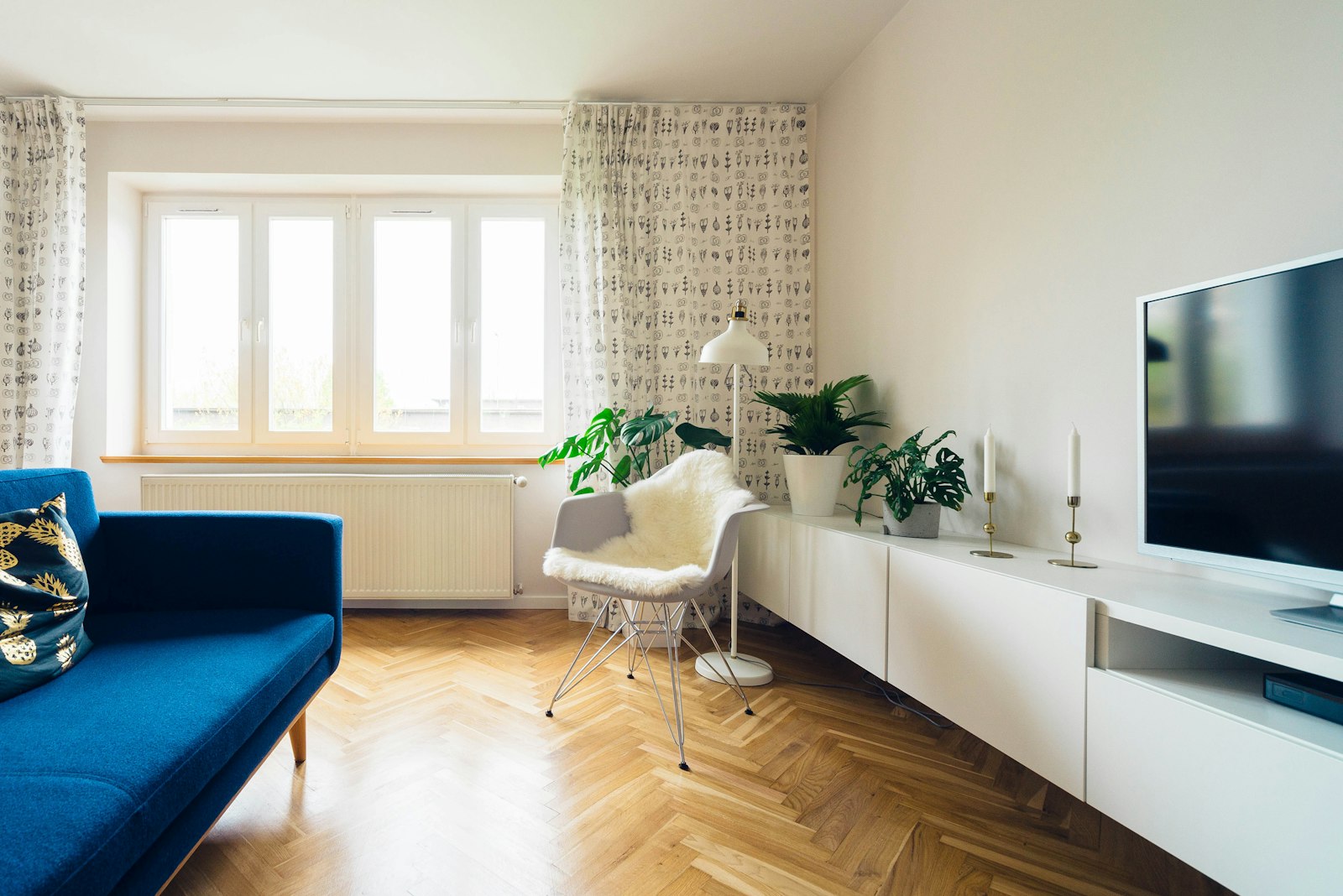
Every room should have at least one place where nothing is happening. A corner with a single chair beside a window. A patch of floor where a child can lie down. A landing where the eye can rest before continuing. These quiet places are not empty. They are reserved.
2. Choose objects that earn their presence
Every object visible in a mindful home should be there because the household chose it, not because the room needed something. The discipline is to reduce the number of objects not by edict but by attention. Twelve well-chosen things will always feel calmer than thirty things assembled to fill a room.
3. Honour daylight as a material
In Malaysia we have abundant daylight. A mindful home plans around it: where the morning light arrives first, where the afternoon shadow lengthens, where dusk settles. The orientation of a chair, a desk, a bed in relation to natural light is one of the most consequential decisions in a home.
4. Specify materials that age, rather than fade
Mindful homes are designed to grow into their materials, not to maintain them. Brass that patinas. Linen that softens. Timber that deepens. Stone that develops a worn smoothness. These materials reward time. Synthetic materials that fight their own ageing are the opposite of mindful.
5. Make space for the household, not for the photographs
The most mindful homes we have delivered are the ones that age beautifully because the family is allowed to be the family in them. They are not staged. They are inhabited. The design is generous enough to let life happen on top of it.
What this looks like in a Malaysian home
A grandmother’s altar room kept exactly as she wants it. A kitchen island where school uniforms get ironed in the early morning. A staircase landing with a chair where someone reads. A family room with no television, by choice. A garden that is in use because the terrace is properly shaded.
Calm in a Malaysian home is not the absence of life. It is the presence of life that has been thought through.
Wishing all who observe a peaceful Wesak.
If you are planning a Malaysian home and would like a designer who treats calm as a serious design objective, we would be glad to hear from you.