
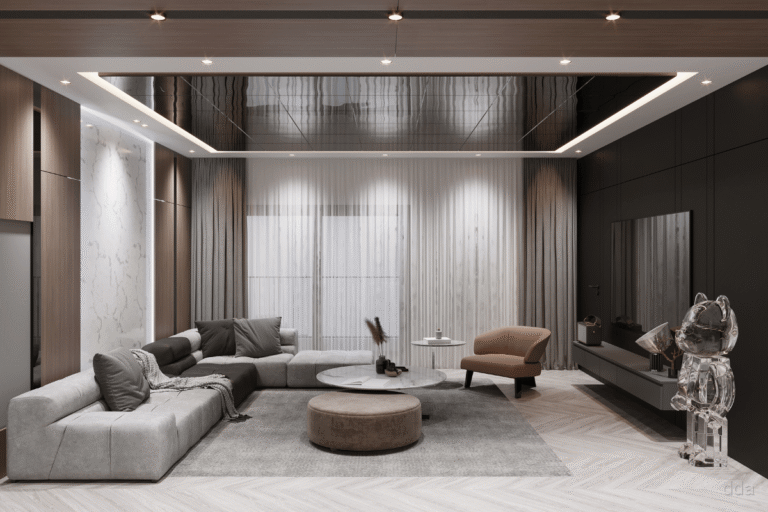
In 2026, interior design in Malaysia is not just shaped by magazines or showrooms — it’s increasingly influenced by media, film, and digital culture. From classics like The Royal Tenenbaums to modern design‑forward films recommended by Vogue for their aesthetic interiors, homeowners are picking up ideas from screens as much as from design consultations. If you’ve ever paused a scene to admire a sofa, lighting layer, wall colour, or architectural detail, you’re not alone — digital inspiration has become a powerful force in interior design expectations.
While these film‑inspired interiors can spark creativity and introduce fresh design vocabulary, they also raise new challenges for Malaysian homeowners and interior designers: unrealistic expectations, impractical styling, misinterpretation of space, and a growing disconnect between inspiration and execution. This blog explores the convergence of film culture and practical interior design in Malaysia — and how to balance beauty with livability.
1. Movies as Interior Design Inspiration — A Double‑Edged Sword
Films with exceptional interior design — whether Mid‑Century modern in Marriage Story or bohemian chic in A Single Man — offer a visual feast of colour, texture, and spatial composition. For many Malaysians scrolling Instagram and Pinterest, these cinematic spaces become aspirational references for their own homes. The language of design — from velvet upholstery to sculptural lighting fixtures — is increasingly borrowed from filmic aesthetics.
However, translating big‑screen magic into Malaysian homes isn’t always straightforward. Scenes are often captured under controlled lighting conditions, staged with props, and styled purely for cinematographic effect — not daily living. Designers in Kuala Lumpur, Penang, and Johor report that clients sometimes arrive with unrealistic expectations based on media impressions that don’t consider functionality, proportions, or climate conditions. The result? Beautiful ideas that fall short in real world usability.
Good interior design in Malaysia must honour inspiration from media while grounding it in practical spatial planning, ergonomic furniture placement, and durability in a tropical environment.
2. The Digital Inspiration Flood: Too Many Trends, Too Fast
Social media platforms and streaming films create a constant feed of “beautiful interiors.” While this accelerates design knowledge, it also accelerates trend cycles. Malaysian homeowners are now influenced by styles ranging from European Art Deco to Californian casual, all in the same scroll.
This has a few consequences for interior design in Malaysia. One is decision fatigue — homeowners struggle to articulate what they truly want versus what looks “instagrammable.” Another is over‑styling — mixing unrelated aesthetics because snapshots of eclectic interiors look appealing on screen.
Here lies a design tension: curated inspiration vs. cohesive interior architecture. Designers encourage clients to develop a personal mood board focused on experience and function rather than randomly accumulating eye‑catching images. This helps ensure the final design is intentional, contextually responsive, and uniquely suited to Malaysian living.
3. Material Choices: What Works on Screen vs. What Works in Malaysia
Many film interiors are rich in texture — lush velvet sofas, glossy marble, moody wallpapers, and ornate hardware. They look striking on camera, but Malaysian climate and lifestyle often demand performance‑driven materials. High humidity, heat, and daily living patterns can make delicate finishes impractical if not chosen thoughtfully.
For example, velvet tones are lush — but in Malaysia, performance velvet with stain resistance and UV stability is essential. Terrazzo pops on screen — but sealing and maintenance are key to avoid staining in humid conditions. Natural wood must be treated and ventilated properly to avoid warping.
Interior designers must translate media trends into fit‑for‑purpose materials that honour the aesthetic but perform beautifully in real use.
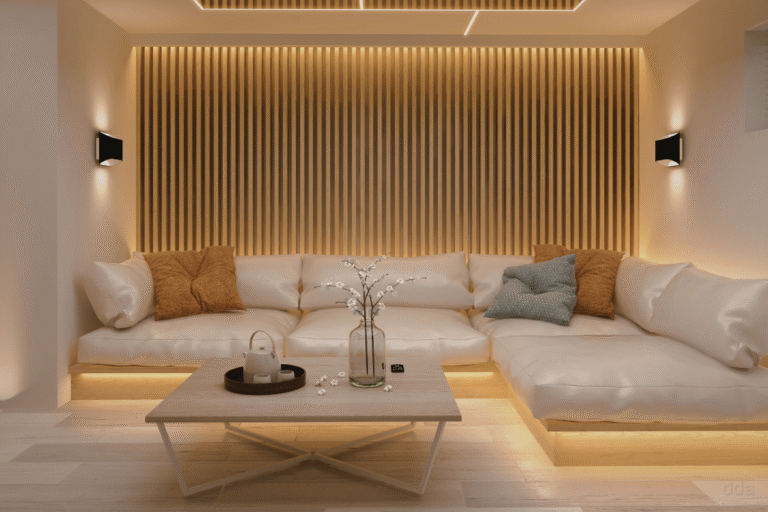
4. Cinematic Lighting vs. Practical Layered Lighting Design
Lighting is where film aesthetics and interior reality often clash. Cinematic spaces frequently rely on dramatic lighting — controlled exposure, deep contrasts, and spotlights that make textures pop on film. But in everyday Malaysian homes, mood, visibility, and comfort matter more than dramatic shadows.
The solution lies in integrating layered lighting design — ambient, task, and accent lighting — that supports both functional needs and visual interest. For instance, accent lighting can highlight artwork or texture just like in film scenes, while ambient layers ensure the space is comfortable for daily living.
By understanding how film lighting influences perception, designers can craft interior lighting schemes that feel cinematic without compromising usability.
5. Personal Narrative vs. Screenshot Aesthetics
Films tell stories — every object, colour palette, and spatial arrangement contributes to a narrative. A screenshot of a well‑designed set may look spectacular, but it’s often a snapshot of context, not a template. Malaysian homeowners sometimes mistake this for design formula rather than design storytelling.
Interior design in real homes should be narrative driven — where choices are informed by user lifestyle, spatial needs, family routines, and comfort. Inspiration becomes meaningful when it is filtered through personal needs, cultural context, and practical function.
A space that feels lived‑in, comfortable, and purposeful will always outperform one that merely looks “movie‑ready.”
Movies and digital media have become a major source of interior design inspiration in Malaysia — influencing everything from colour palettes to furniture silhouettes. While this pushes creativity forward, it also introduces expectations that may not align with practical home living. The key is translation — transforming cinematic inspiration into thoughtful, functional interior design concepts suited to Malaysian climates, lifestyles, and architecture.
✨ Planning an interior that blends film‑worthy beauty with real‑world comfort?
Contact our Malaysia interior design team to turn inspiration into thoughtful, lasting spaces.