

Colour is one of the most influential elements in interior design — it sets the mood, defines space, and creates visual harmony. For many Malaysian homes, finding the right colour balance can feel overwhelming, especially when blending living room palettes, built-in joinery finishes, and textile schemes. Fortunately, the 60-30-10 rule offers a simple yet powerful framework to create cohesive, stylish interiors that feel both intentional and personalised.
At its core, the 60-30-10 colour rule suggests that 60% of a space should be a dominant colour (usually on walls or large surfaces), 30% a secondary colour (furniture, drapery, curtains) and 10% an accent colour (accessories like cushions, vases, or décor). When applied thoughtfully with Malaysian interior design sensibilities — where vibrant culture and tropical lighting play big roles — this approach brings balance, rhythm, and personality into your living spaces.
Whether you’re refreshing a living room or planning a full renovation in Penang or Kuala Lumpur, understanding this classic design principle ensures your home feels harmonious, functional, and visually engaging.
Creating Balanced Colour Schemes with the 60-30-10 Rule
A dominant colour (60%) sets the foundation of an interior design theme. In many Malaysian homes, this often starts with neutral wall tones — soft creams, warm beiges, or light greys — which create a calming backdrop and help light bounce evenly throughout the room. Choosing wide-coverage colours for walls and large area rugs anchors the design and allows other elements to resonate without feeling cluttered. This major portion also plays a key role in spatial perception: lighter hues can make compact Malaysian interiors feel larger, while richer tones can add intimacy and warmth.
The secondary colour (30%) introduces contrast and depth through furniture pieces like sofas, built-in cabinetry, and curtains. Selecting a shade that harmonises with the dominant colour — such as deep olive green or muted terracotta — enhances visual interest without overpowering the space. Incorporating this colour in upholstery fabrics, window treatments, and feature walls reinforces a coherent design narrative.
Finally, accent colours (10%) add life and personality. These pops of colour appear in accessories such as throw pillows, art, lighting or decorative objects, and they inject energy and visual focal points into an interior. Accent colours like mustard yellow or azure blue complement both neutral bases and deeper secondary tones, ensuring interiors feel curated yet lively.
Cultural Nuances & Tropical Lighting in Malaysian Interiors
Malaysia’s tropical climate and abundant natural light influence how colours appear inside your home. Sunlight can make colours feel brighter, more saturated, or even warmer than they look on a paint swatch. To harness this, choose dominant colours that balance brightness with comfort, such as soft latte, warm beige or muted green, which help calm strong sunlight while preserving visual warmth.
The secondary colour palette in Malaysian interior design can reflect local culture and nature — think rich batik hues, deep teak wood tones, or palm-leaf greens that evoke tropical landscapes. Integrating these colours into joinery or statement furniture enhances both colour harmony and cultural context.
Accent colours bring the final layer of personality. Strategically placed accent pieces — like a vibrant armchair or patterned rug — reinforce colour balance while celebrating Malaysian art and craftsmanship. Mixing traditional motifs into a contemporary 60-30-10 colour scheme bridges heritage with modern interior design principles.
Going Beyond Colour: Texture & Material Play
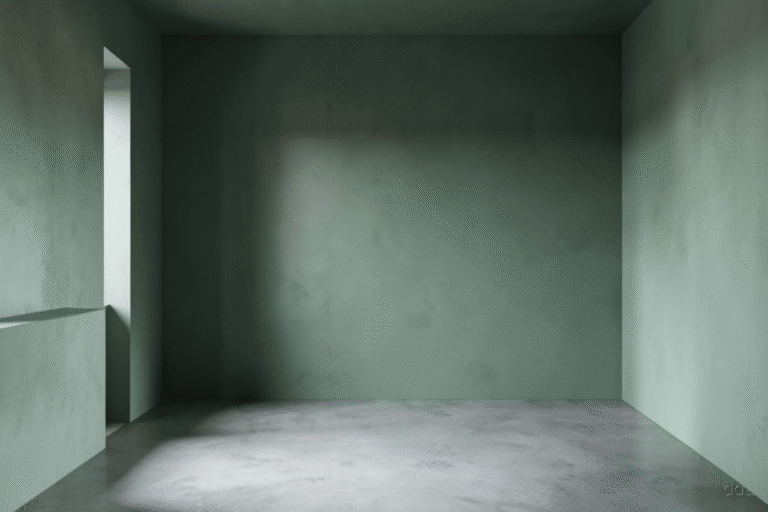
While the 60-30-10 rule primarily addresses colour, high-impact interior design also considers texture, pattern, and materiality. For example, mixing matte wall paints with glossy tile accents, woven rattan furniture, and plush textiles can create visual depth and tactile richness that enhance colour schemes.
Textures can also help differentiate between colour layers. A velvety teal sofa (30%) pops against limestone walls (60%), while accent pieces like metallic gold lamps (10%) add sparkle and contrast. Interior designers often use these textural combinations to avoid flat, uninspired palettes and to create cohesive, inviting spaces.
When planned together, colour, texture, and materiality elevate your interior design from merely functional to rich and memorable — a space that feels both visually balanced and deeply personal.
The 60-30-10 colour rule simplifies the process of creating balanced, intentional interiors that feel both stylish and harmonious. By consciously allocating dominant, secondary and accent colours — and integrating thoughtful texture and material choices — Malaysian homes can achieve a polished, cohesive design that reflects both personal taste and cultural context.
Want help bringing a perfect 60-30-10 colour palette to your Malaysian living space? Speak with an experienced interior designer today and transform your home into a beautifully balanced, vibrant sanctuary!