

Understanding Formaldehyde & Indoor Air Quality in Malaysian Interiors
Formaldehyde is a volatile organic compound (VOC) commonly found in interior finishes such as plywood, laminates, engineered wood, and adhesives — materials frequently used in Malaysian kitchen cabinetry, wardrobes, and custom millwork. According to Malaysia’s Indoor Air Quality Code of Practice, the permissible indoor formaldehyde concentration is 0.1 ppm over an 8-hour period. This guideline forms part of a broader indoor air quality framework that also considers humidity, CO₂, and other VOC parameters, all of which play crucial roles in designing a comfortable and healthy home.
Despite guidelines, many local products may exceed recommended emission levels — particularly cheaper composite woods used in built-in joinery. This means even stunning interiors designed with eye-catching finishes can have hidden health impacts if formaldehyde isn’t properly addressed. As more Malaysians focus on wellness-oriented interior design, it’s essential to evaluate materials beyond aesthetics and consider their long-term impact on indoor air quality and occupant comfort.
Design professionals in Malaysia are increasingly specifying low-emission engineered woods and non-toxic paints to help reduce VOC off-gassing in enclosed living spaces. Prioritizing sustainable materials — including certified low-formaldehyde boards and eco-friendly surface treatments — not only supports better indoor air quality but also aligns with modern design trends focused on wellbeing and longevity.
Post-Renovation Strategies: Ventilation, Monitoring & Material Choices
Even when low-formaldehyde or low-VOC materials are used, volatile compounds can linger after installation due to off-gassing, where materials release chemicals over time. This is especially true during Malaysia’s humid climate, where heat can accelerate VOC emissions. Effective ventilation — such as opening windows, implementing cross-ventilation, and incorporating mechanical HVAC filtration — is a cornerstone of healthy interior design.
Innovative solutions like formaldehyde neutralizing sprays and specialized air filtration have gained traction among Malaysian homeowners. Companies such as SEMBO offer services that actively break down formaldehyde molecules after furniture installation or renovation, protecting sensitive groups like children and the elderly, who are particularly vulnerable to poor indoor air quality.
Smart interior design now integrates real-time air quality monitoring into homes, allowing design professionals and homeowners to track VOC levels and adjust ventilation and finishes accordingly. These techniques not only support health but also elevate the overall design narrative from purely visual to wellness-centric and future-ready.
Choosing Health-Forward Materials for Malaysian Homes
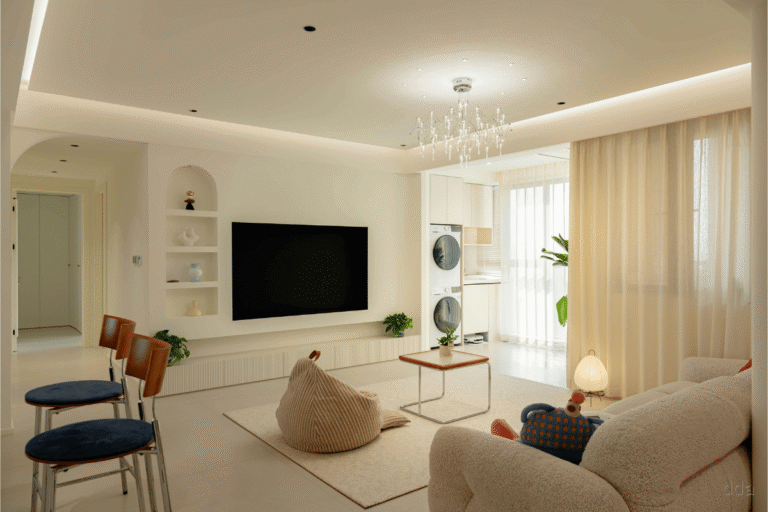
Malaysia’s booming interior design scene is embracing healthier alternatives to traditional formaldehyde-emitting products. From non-toxic furniture finishes to low-VOC paint technologies like Nippon’s Odour-Less Aircare that absorbs and neutralizes formaldehyde, the market is responding to a growing demand for safer home interiors.
Designers are embedding greener practices into their material selection — such as specifying certified low-emission cabinetry, E0-grade wood panels, and natural fiber wall coverings. These materials not only reduce VOC concerns but also enhance thermal comfort, acoustic performance, and aesthetic warmth in Malaysian homes. With sustainability now a key trend in interior design, healthier building products are fast becoming mainstream rather than niche.
By prioritizing indoor air quality and sustainable materials, Malaysian homeowners can enjoy renewed living spaces that are both stylish and safe. Ready to transform your home into a healthy and beautiful sanctuary? Reach out to a trusted interior design professional today for a tailored consultation.