
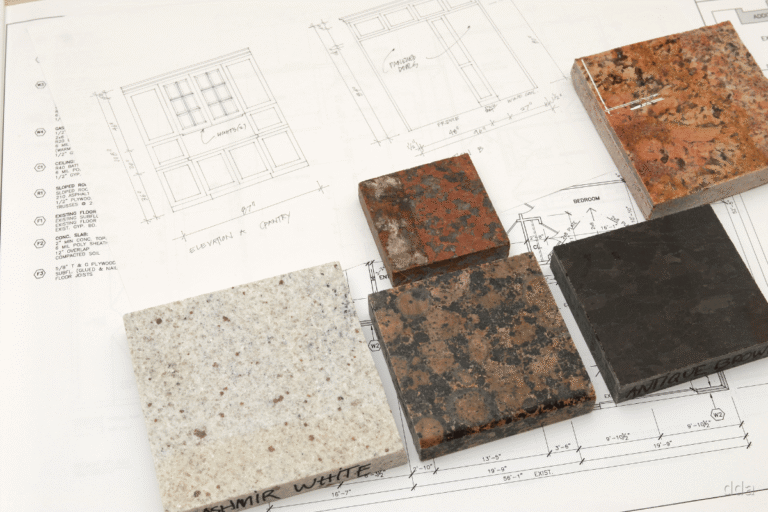
As design trends evolve in 2026, Malaysian homeowners face a key question: How can we incorporate fresh interior design styles — like heritage colour palettes, textured materials, and luxury finishes — while ensuring our spaces remain timeless and functional? Newly emerging motifs such as terrazzo flooring, warm timber joinery, velvet upholstery, and layered lighting are influencing projects globally. However, without thoughtful planning, trend adoption can lead to interior fatigue, budget overruns, or poor material performance in humid climates.
This blog explores current interior design issues affecting Malaysian homes — from trend overwhelming to material durability — and offers solutions that help you balance style with sustainability, performance, and long-term appeal.
1. Overreliance on Trending Materials
In 2026, terrazzo, velvet, and heritage palettes (like espresso, terracotta, aged brass) are widely featured in interior magazines and social feeds. While these materials can add richness and depth to interior design, overusing them without consideration of spatial context can make interiors feel dated or visually heavy.
In Malaysian homes — where tropical lighting and humidity influence material behaviour — it’s important to use trending finishes strategically. For example, terrazzo can be used as feature surfaces (accents on coffee tables or stair risers) rather than large field areas, while velvet works beautifully on accent chairs rather than entire upholstery schemes. This restrained approach keeps interior design stylish and future-proof.
A foundational base of durable materials — like engineered timber, neutral ceramics, and performance laminates — combined with tasteful trend accents strikes the right balance between modern appeal and longevity.
2. Climate-Appropriate Material Selection
Malaysia’s hot and humid climate affects how interior materials perform. Certain finishes — like untreated velvet or poorly sealed stone — may wear poorly under high humidity or frequent temperature changes. Interior designers today emphasise climate-responsive material selection to ensure longevity.
Natural woods must be carefully specified with moisture-resistant treatment, while textiles like velvet should be chosen with stain-resistant backing. Terrazzo, while beautiful, should be sealed correctly to prevent staining or efflorescence (common in humid environments). Lighting design also plays a role, as warm, layered tones can reduce glare on textured surfaces.
Good design taste in Malaysia combines trend reinterpretation with climatic intelligence — creating interiors that look current yet perform beautifully in everyday living.
3. Balancing Trend with Timeless Interior Architecture
While trends offer inspiration, interior design decisions should first be anchored in spatial logic and architectural coherence. Renovation plans that prioritise fleeting aesthetics over foundational design elements — like proportion, built-in storage, or circulation flow — often fall short in functionality.
In Malaysian homes, balanced interior design planning involves integrating trend-inspired features (like textured walls or brass hardware) within a cohesive architectural strategy. This ensures that functional elements — from joinery design to lighting hierarchy — support daily routines while elevating visual richness.
Smart planning also enhances resale appeal — homes that are over-styled often date quickly, while architecturally grounded interiors retain broader market desirability.
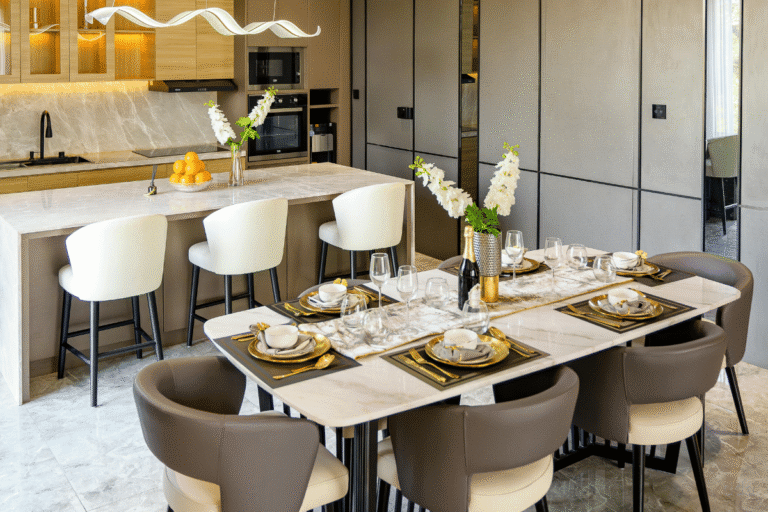
4. The Cost of ‘Statement Pieces’ Without Context
Homeowners are drawn to statement interior pieces — dramatic armchairs, bespoke chandeliers, or large-scale artworks — but these can backfire if not grounded in overall design consideration. A standout element works best when it complements the interior palette, spatial rhythm, and human scale.
In Malaysia, oversized design elements can overwhelm smaller rooms or create visual imbalance in open layouts. Designers recommend assessing pieces through spatial mock-ups or 3D visualisations before investing. This allows you to test scale, proportion, and lighting interactions in a nuanced way.
A design piece should harmonise with interior architecture — not compete with it.
5. Lack of Integrated Lighting and Texture Strategy
Good interior design in 2026 goes beyond colour and finish selection — it considers how texture and light interact. Simply choosing heritage colours or rich materials without planning the lighting hierarchy can flatten a space or make feature elements look uninspired.
Layered lighting — ambient, task, and accent — enhances surface richness, highlights architectural features, and improves spatial ambience. This approach also complements textured finishes (like timber grain, stone veining, or soft textiles) by bringing out depth and character.
In Malaysian interiors, where natural light varies throughout the day, thoughtful artificial lighting design ensures consistency and comfort in living areas, bedrooms, and even transitional zones.
Current interior design trends — such as heritage palettes, textured materials, and bold finishes — offer exciting possibilities for Malaysian homes. However, to avoid interiors that feel short-lived or impractical, it’s critical to balance trend adoption with climate-appropriate materials, thoughtful spatial planning, and integrated lighting strategies.
✨ Planning a renovation or interior refresh in Malaysia?
Connect with our interior design team to create trend-inspired yet timeless spaces that stand the test of time.