
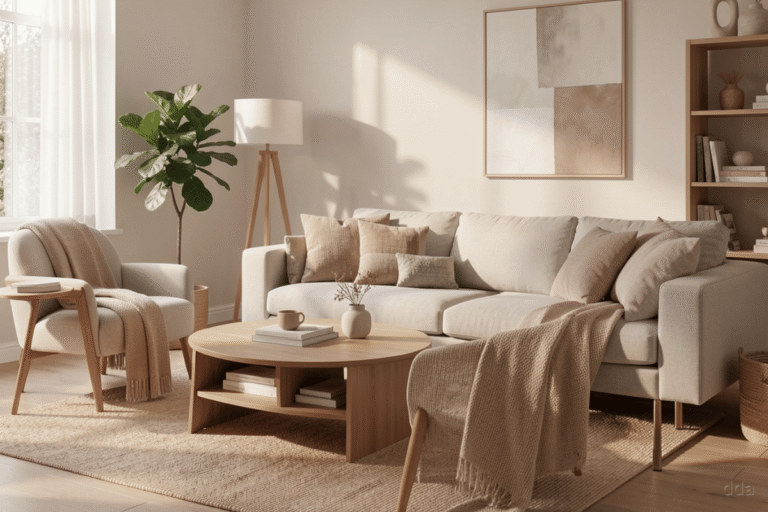
In 2026, interior design in Malaysia is evolving beyond trends — homeowners and designers alike are asking a deeper question: Can good design taste be learned? With the proliferation of social media inspiration, styling reels, and global design trends, the challenge isn’t just what looks beautiful — it’s what feels right for your home, context, and lifestyle. Interior design taste isn’t purely intuitive; it’s informed by principles of proportion, colour harmony, spatial balance, lighting strategy, and material selection.
Whether you’re renovating a luxury condominium in Kuala Lumpur, a heritage home in Melaka, or a landed property in Johor Bahru, cultivating sound interior design taste helps you make better decisions that elevate both comfort and property value. Below are five key elements that help you develop good design taste — from foundational principles to real-world application.
1. Understanding Design Principles (Not Just Aesthetics)
Good interior design taste starts with understanding why certain layouts, colour palettes, and material combinations work together. Malaysian homes — with tropical light, open-plan living, and multifunctional spaces — benefit most from balanced spatial planning rather than surface beauty alone. Proportion, rhythm, and scale are design principles that can elevate even simple interiors into refined spaces.
Formal interior design education isn’t the only path, but exposure to design fundamentals — such as how natural daylight interacts with finishes or how texture creates depth — helps homeowners make better decisions. When you begin to see design as a thoughtful process rather than a style checklist, your choices become more deliberate, cohesive, and long-lasting.
Investing time in understanding design theories — from colour behaviour to visual hierarchy — also reduces costly missteps in renovation. Instead of chasing fleeting trends, you make choices rooted in design literacy that stand the test of time.
2. Learning Through Observation and Critique
Just as art appreciation improves with study, interior design taste sharpens when we critically observe spaces — not just admire them. Visit model homes, showrooms, and completed design projects in Malaysia to see real applications of lighting strategy, material harmony, and furniture placement.
Critique what makes a space feel cohesive or disjointed. Is the furniture scale appropriate? Do colours work with the natural light? Are architectural details emphasised or lost? Engaging critically — rather than passively scrolling inspiration feeds — nurtures an interior design sensibility that’s functional and visually comfortable.
This approach doesn’t require formal schooling; it requires mindful practice. Over time, your design eye becomes more attuned to proportion, balance, and context — key hallmarks of refined interior design taste.
3. The Role of Cultural and Contextual Sensitivity
Design taste isn’t universal — it’s shaped by culture, climate, lifestyle, and context. Malaysian homes have a distinct flavour thanks to climate conditions, sociocultural practices, and architectural vernacular. Light, humidity, airflow, and family habits influence how spaces should be planned, furnished, and lit.
For example, living rooms in Malaysia often double as entertainment and family zones. Choosing durable finishes, smart lighting design, and layered spatial planning becomes more critical than just picking pretty décor. Good design taste understands that interior solutions must work with context, not against it.
When design taste respects cultural context, spaces feel more cohesive, functional, and genuinely inviting — not merely stylish.
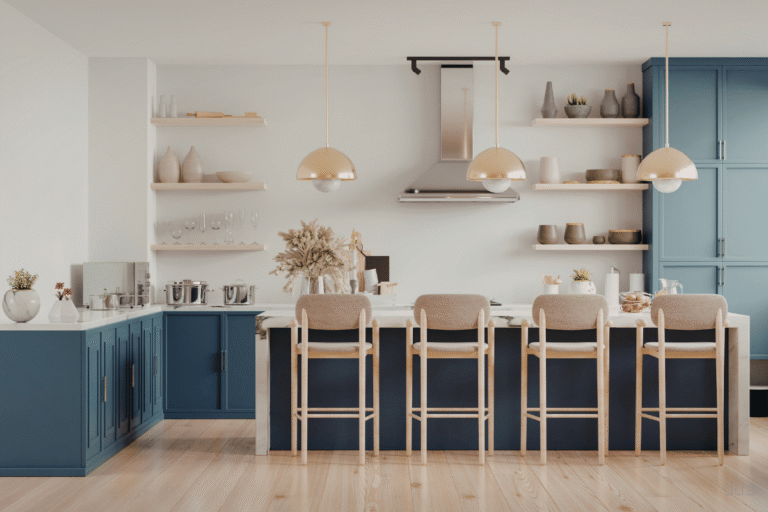
4. Building a Personal but Cohesive Style
Many homeowners ask: Should I follow trends or carve my own taste? The answer lies between two extremes. Rather than blindly following trends or rejecting inspiration, good interior design taste helps you translate ideas into something meaningful for your space.
In Malaysia, trends often emphasise tropical minimalism, biophilic interiors, and warm texture layering — but these shouldn’t override personal preference or function. Good taste means filtering inspiration through the lens of your lifestyle, architectural backdrop, and spatial needs.
The result? Interiors that feel authentic, balanced, and well-composed — not mismatched or fleeting.
5. Working with Designers: A Synergy of Education and Experience
Ultimately, professional interior designers bring both educated taste and practical experience. Collaborating with designers helps homeowners surface blind spots in taste — such as scale issues, colour imbalances, or functional inefficiencies — before they become costly mistakes.
Good design taste isn’t about aesthetics alone; it’s about spatial intelligence, ergonomics, lighting strategy, and material behaviour. Designers equip homeowners with vocabulary, methodology, and decision frameworks that democratise great design decisions.
In Malaysia’s renovation landscape — where timelines, budgets, and quality expectations run high — professional taste refinement ensures results that are both beautiful and truly liveable.
Yes — good interior design taste can be nurtured. It grows from understanding principles, observing critically, appreciating context, cultivating personal style, and working synergistically with professionals. For Malaysian homeowners in 2026, design taste is not a static trait — it’s a skill built over time that results in interiors that are intentional, elegant, and enduring.
✨ Ready to refine your design taste and elevate your space?
Connect with our Malaysia interior design team to make informed, stylish, and timeless design decisions that truly reflect your lifestyle.