
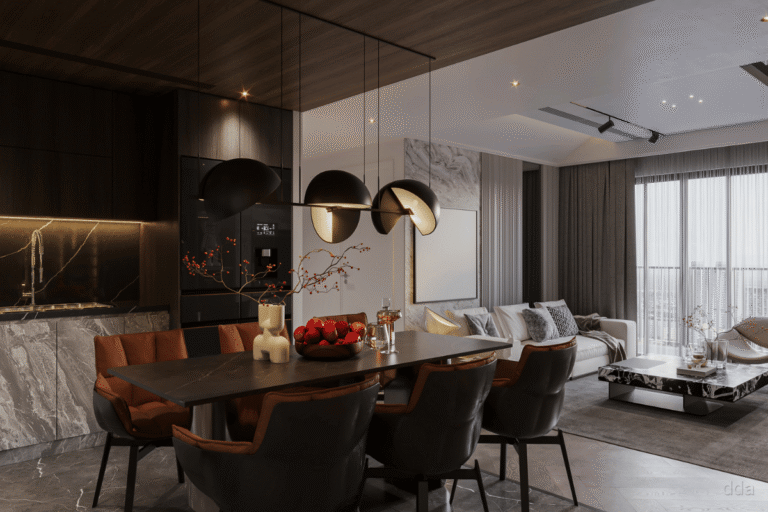
Interior design in Malaysia is entering a new phase in 2026 — one where wellbeing, sustainability, and health-focused design are emerging as priorities alongside aesthetic appeal. In a society increasingly aware of environmental impact, indoor air quality, and lifestyle harmony, homeowners are recognising that beautiful interiors must also be healthy, functional, and sustainable. From biophilic features to adaptive lighting, ergonomic planning, and eco-friendly materials, interior design issues are evolving beyond looks.
This blog explores five key challenges Malaysian homeowners face today in creating homes that are beautiful and supportive of long-term wellbeing. Whether you’re renovating a landed home, condominium, or terrace house, addressing these interior design concerns can elevate comfort, lifestyle satisfaction, and property value.
1. Indoor Air Quality & Wellbeing in Tropical Homes
Malaysia’s hot and humid climate makes indoor air quality (IAQ) a major interior design concern. Poor ventilation, high humidity, and improper material choices — such as VOC-rich paints or poorly sealed engineered wood — can exacerbate respiratory issues and create unpleasant indoor environments.
Interior designers are responding with wellness-informed design. This includes specifying low-VOC or eco-certified finishes, integrating mechanical ventilation systems where necessary, and planning for cross-ventilation through spatial layout. Natural fibre textiles like cotton and linen, along with indoor greenery, help absorb humidity and contribute to healthier interiors.
Elevating interior design beyond aesthetics to prioritise wellbeing results in spaces that feel fresher, more comfortable, and more supportive of everyday life.
2. Sustainability & Responsible Material Choices
While trend materials like terrazzo, brass, and velvet remain popular, sustainability standards have a growing influence in Malaysia’s interior design landscape. Homeowners are now asking questions about life cycle impact, material origin, recyclability, and long-term performance.
Designers suggest choosing materials with verified certifications, such as FSC-certified wood, eco-plasters, and recycled stone surfaces. These not only reduce environmental impact but also align with luxury design principles by emphasising quality and durability. LED-based layered lighting systems and energy-efficient appliances further support sustainability goals.
Incorporating sustainability into interior design is no longer niche — it’s a practical requirement for homes that feel well-considered and future-ready.
3. Multi-Functional Spaces & Changing Lifestyle Needs
The past few years have redefined how Malaysians use their homes, with remote work, multi-generational living, and social entertaining all influencing spatial requirements. Traditional room design is giving way to more flexible spaces that can pivot between office, lounge, and activity zones.
Interior designers are tackling this through adaptive joinery, modular furniture, and clever zoning strategies. Movable partitions, built-in workstations, and convertible seating systems allow spaces to shift function without compromising design integrity.
Good interior design must support diverse lifestyle demands while maintaining cohesive aesthetic flow throughout the home.
4. Acoustic Comfort in Open-Plan Layouts
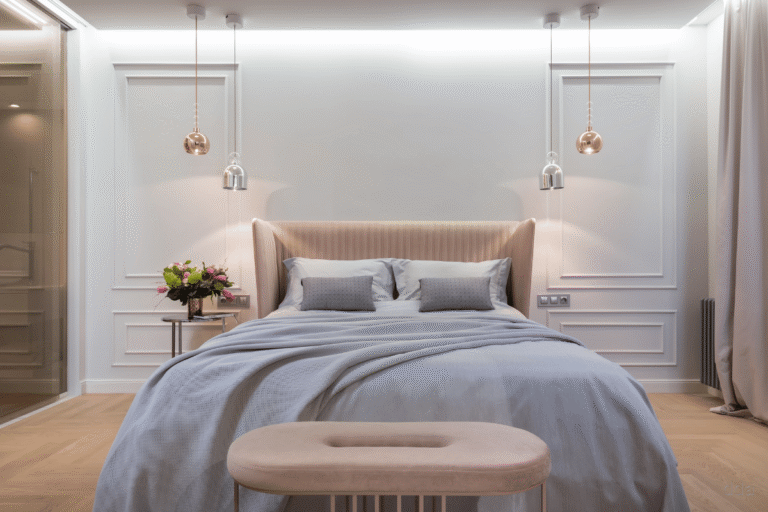
Open-plan interiors remain a dominant trend, but they often fall short on acoustic comfort. Hard finishes, high ceilings, and unbuffered surfaces can make spaces noisy and disruptive — especially in homes with active children or open living/dining configurations.
Designers are addressing this with thoughtful choices like acoustic panels, soft textiles, upholstered furniture, and noise-reducing ceiling elements. Strategic placement of rugs, curtains, and absorptive wall treatments helps balance sound performance without detracting from visual appeal.
Balancing interior aesthetics and acoustic functionality creates spaces that are both stylish and comfortable.
5. Lighting Design that Supports Mood & Health
Lighting has moved beyond simple illumination to become a central component of wellbeing-oriented interior design. Reliance on overhead downlights alone can make even stylish interiors feel flat or harsh.
Modern interior design in Malaysia incorporates layered lighting — including ambient, task, and accent layers — with warm tunable LED systems that adapt to different parts of the day. Daylight harvesting strategies, dimmers, and circadian-friendly lighting palettes improve mood, comfort, and overall spatial ambience.
Lighting design that works with natural rhythms enhances comfort and creates interiors that feel refined and intentional.
Interior design in Malaysia is undergoing a meaningful transition — from trend-driven decoration toward wellness-inspired, sustainable, and highly functional spaces. By addressing indoor air quality, sustainability, multi-functionality, acoustics, and lighting strategy, homeowners can create environments that are beautiful and supportive of long-term comfort and wellbeing.
✨ Ready to create an interior that looks great and feels great?
Contact our Malaysia interior design team to build a home environment that harmonises style, health, and sustainable living.